

A practical guide to print finishes that transform the look and feel of your branded materials
Your printed materials say a lot about your brand. Choosing the right print finishes can make your business cards, brochures, and packaging stand out with a polished, professional edge. From matt lamination to foil blocking, these details create a tactile impression that sticks in customers’ minds. This guide will walk you through popular print finishes and how to pick the perfect option for your brand’s look and feel. For more insights, check this guide on print finishing techniques.
The Art of Print Finishes
Choosing the right print finishes can dramatically enhance the visual appeal and tactile experience of your printed materials. Let’s explore some popular options that can elevate your brand.
Understanding Matt and Gloss Laminations
Lamination is a key print finish that adds a protective layer to your printed materials. Matt lamination is popular for its non-reflective, smooth finish that gives a sophisticated look. It’s perfect for creating an understated, professional appearance on business cards and brochures. The soft texture of matt lamination adds a touch of class to your materials, making them feel high-end.
On the other hand, gloss lamination provides a shiny, reflective finish that makes colours pop. It’s ideal for materials where vibrant visuals are essential, like promotional posters or flyers. Gloss lamination not only enhances colour saturation but also offers durability by protecting against fingerprints and scratches. For more details on how these laminations impact brand perception, visit this article.
Exploring Soft-Touch Laminations
Soft-touch lamination offers a velvety texture that invites customers to engage with your materials. It’s often used on premium business cards and packaging to convey luxury and quality. This finish creates a memorable tactile experience, encouraging recipients to linger over your materials.
Soft-touch lamination is also known for its resistance to smudging and fingerprints, maintaining a clean and polished appearance. If you’re looking to leave a lasting impression, this finish can make your materials stand out in a crowded marketplace. Discover more about specialty print finishes here.
Enhancing Brand Impact with UV and Foil
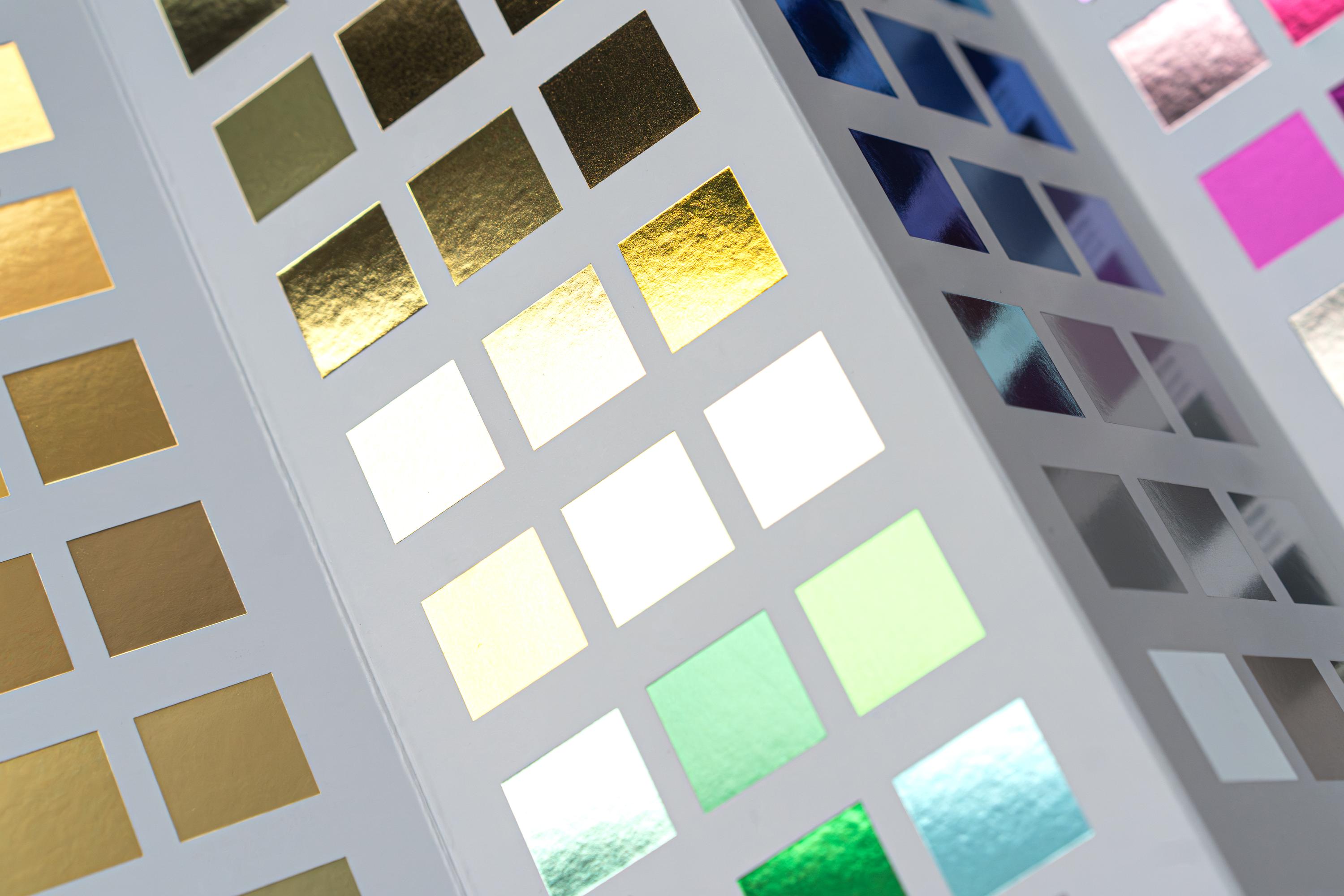
Print finishes like UV varnish and foiling can add unique visual and textural elements to your materials, enhancing their impact.
Spot UV and Raised UV Varnish Explained
Spot UV varnish is a clear, shiny coating applied to specific areas of your print materials. It creates contrast against a matte background, drawing attention to key elements like logos or headlines. The glossiness of spot UV adds a striking visual element that can highlight the most important parts of your design.
Raised UV varnish takes it a step further by adding texture. It raises the varnished areas, creating a tactile sensation. This finish is perfect for business cards or invitations where you want to impress with both look and feel. To learn more about these techniques, check out this resource.
Foil Blocking and Digital Foiling Options
Foiling techniques add metallic accents to your prints, enhancing their visual appeal. Foil blocking uses heat and pressure to apply metallic foil, creating a reflective surface that’s eye-catching and luxurious. It’s often used on invitations, certificates, and packaging to add an elegant touch.
Digital foiling offers similar effects but with more flexibility and lower setup costs. It can create intricate designs that catch the light, making your materials truly stand out. For a deep dive into premium packaging finishes, visit this guide.
Custom Choices for a Premium Look
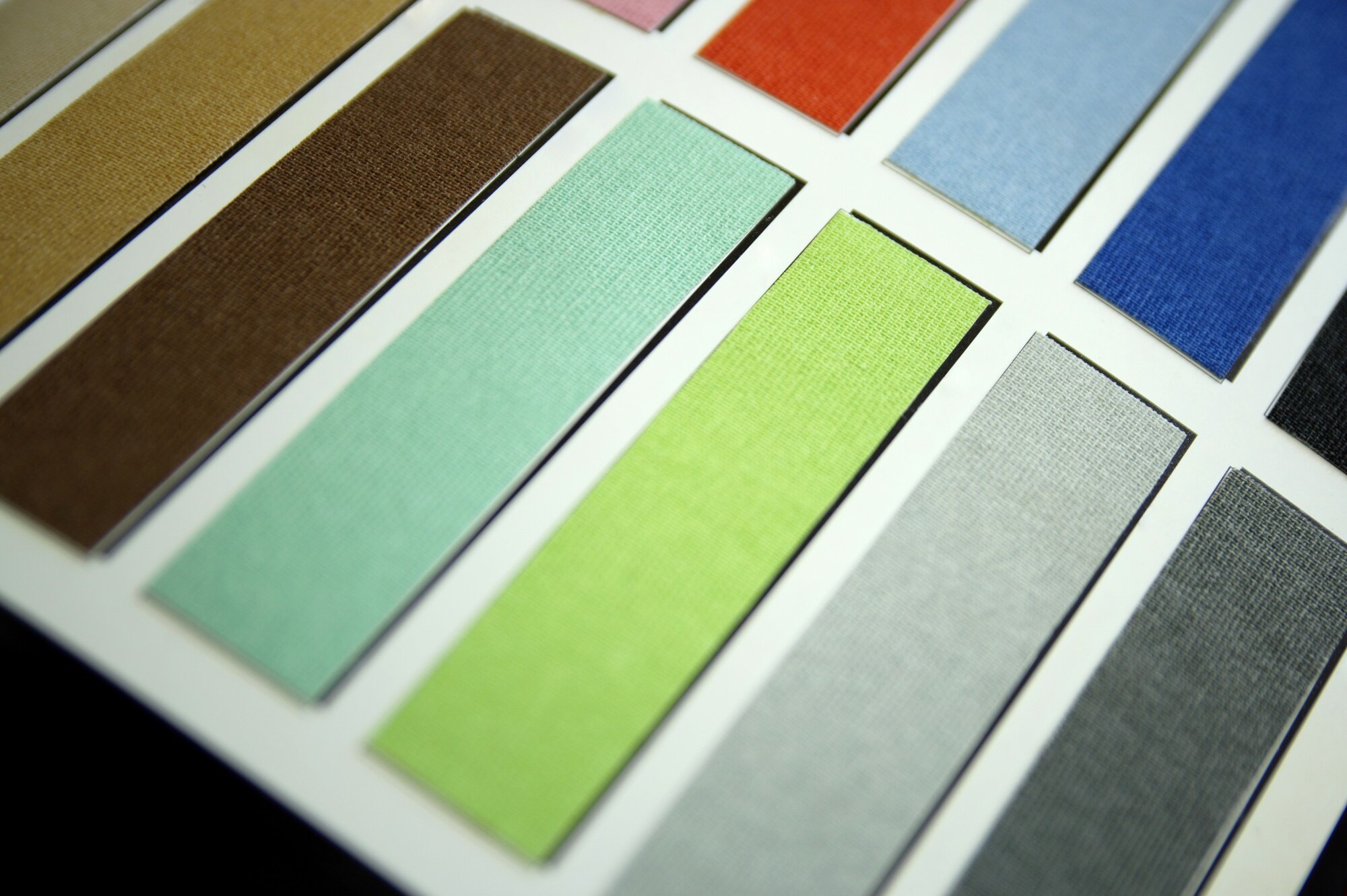
Custom finishes can turn ordinary print materials into extraordinary brand statements. Let’s explore some unique techniques.
Embossing, Debossing, and Die-Cutting Techniques
Embossing raises elements of your design above the paper’s surface, adding a tactile dimension. It’s perfect for logos or text that you want to stand out visually and physically. Debossing is the opposite, pressing elements into the paper to create depth.
Die-cutting allows for custom shapes and intricate designs. It can transform a simple card into a unique piece of art, making it memorable and engaging. These techniques are ideal for creating distinctive business cards or bespoke invitations. For more on these techniques, refer to this blog post.
Protective Varnish and Paper Stock Selection
Protective varnish offers an additional layer of protection to your printed materials, enhancing their durability. It can be applied in matte, gloss, or satin finishes to suit your design needs.
Choosing the right paper stock is also crucial. Options like silk, uncoated, or recycled paper can influence the texture and appearance of your materials. Selecting the right combination of varnish and paper stock ensures your prints not only look great but also last longer.
In summary, these print finishes provide a variety of ways to make your brand materials stand out. By selecting the right combination, you can enhance both the look and feel of your materials, leaving a lasting impression on your audience.

