

Choosing the Right Print Finish for Flyers, Posters and Leaflets
Choosing the right print finish can make or break your flyers, posters and leaflets. Your choice affects how durable your materials are, how they represent your brand, and how much they cost. In this guide, you’ll learn practical tips on selecting print finishes UK businesses trust, from matt vs gloss lamination, soft-touch lamination, to spot UV varnish and foil blocking UK. Keep reading to find the perfect finish that fits your purpose and impresses your audience. Learn more here.
Understanding Print Finishes
Choosing the right print finish can greatly impact your materials’ success. Different finishes offer unique benefits, so let’s explore which might serve your needs best.
Exploring Matt vs Gloss Lamination
Matt and gloss laminations offer distinct advantages. Matt lamination provides a non-reflective finish, making it ideal for a sophisticated look. It’s perfect for reading materials as it reduces glare. Gloss lamination, in contrast, gives a shiny, reflective surface that enhances colour vibrancy, making it great for eye-catching flyers. When deciding between them, consider the context and purpose of your materials. For instance, a glossy flyer might stand out at an event, while a matt finish could suit a professional brochure.
Soft-Touch Lamination Benefits
Soft-touch lamination adds a luxurious feel, which is a great way to elevate your brand. This velvety texture can create a memorable tactile experience, making your materials more engaging. It’s particularly effective for premium products and services. By opting for soft-touch, you show attention to detail, suggesting quality and care in what you offer. This finish also adds a layer of protection, increasing durability while maintaining elegance.
The Magic of Spot UV Varnish
Spot UV varnish can transform your print pieces with its unique application. This technique highlights specific areas, creating a striking contrast with the rest of the design. It’s often used to accentuate logos or key messages, offering a sophisticated touch. The glossy effect of spot UV can catch the light beautifully, drawing attention to important details. This finishing option is ideal for creating memorable business cards or high-impact invitations.
Specialised Techniques for Impact
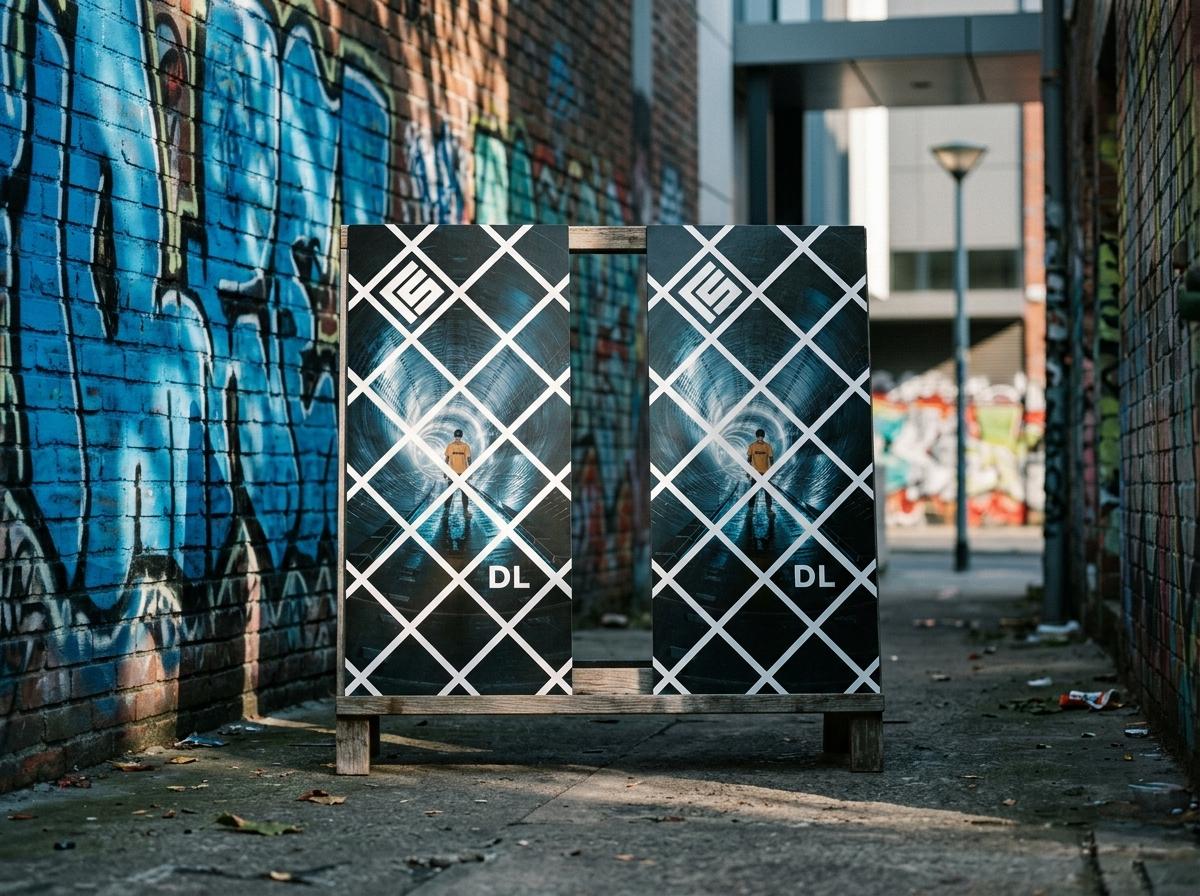
For a more distinct impression, specialised print techniques can set your materials apart. These methods add depth and texture, enhancing engagement.
Foil Blocking in the UK Market
Foil blocking is a timeless technique that adds elegance and prestige. It involves applying metallic foil to your materials, often gold or silver, which can make a significant visual impact. This technique is perfect for invitations, certificates, or any premium print. In the UK, foil blocking is highly regarded for adding a touch of class. It’s an excellent choice if you wish to convey luxury and exclusivity.
Embossing and Debossing Explained
Embossing and debossing create a tactile experience that regular prints can’t achieve. Embossing raises elements off the page, adding a 3D effect. Debossing, conversely, presses the design into the paper, creating depth. These techniques are perfect for adding texture and interest to business cards or letterheads. They enhance the tactile quality of your materials, making your brand memorable through touch.
Choosing Anti-Scuff Lamination
If durability is your priority, anti-scuff lamination provides robust protection. It’s designed to withstand wear and tear, keeping your prints looking pristine longer. This finish is particularly useful for frequently handled items like menus or sales brochures. By choosing anti-scuff lamination, you ensure that your materials maintain their appearance over time, which reflects positively on your brand’s reliability.
Selecting the Perfect Paper and Finish

Paper choice is just as crucial as the finish. The right combination can enhance the overall effect, ensuring your materials make the intended impact.
Silk vs Gloss Paper for Flyers
Silk and gloss paper each offer unique advantages. Silk paper provides a smooth, soft finish that feels luxurious, making it ideal for premium flyers. Gloss paper, with its shiny surface, enhances colours and attracts attention. When choosing between the two, consider your audience and the message you want to convey. Silk paper might suggest sophistication, while gloss emphasizes vibrancy and excitement.
Waterproof Posters for UK Weather
UK weather can be unpredictable, making waterproof posters a sensible choice. These are designed to resist water damage, ensuring your message remains clear even in rain. This resilience is ideal for outdoor events or advertisements. Investing in waterproof posters means your brand’s visibility isn’t compromised by the elements, a smart choice for anyone planning outdoor promotions.
Aqueous and UV Varnish Coatings
Aqueous and UV varnish coatings offer protective benefits. Aqueous coating is water-based, eco-friendly, and provides a subtle shine. It’s a cost-effective way to add protection to printed materials. UV varnish, on the other hand, offers a glossy finish that’s more durable. It’s cured using ultraviolet light, offering superior protection and a striking appearance. These coatings are essential for enhancing the longevity and appeal of your print products.
Frequently Asked Questions
What is the difference between embossing and debossing?
Embossing raises the design above the paper surface, creating a 3D effect. Debossing presses the design into the paper, creating an indented pattern. Both add texture and interest to printed materials.
Why choose anti-scuff lamination?
Anti-scuff lamination protects printed materials from scratches and wear. It’s ideal for items that are frequently handled, ensuring they maintain a pristine appearance over time.
How does spot UV varnish enhance a print design?
Spot UV varnish highlights specific areas of a design, creating contrast with the rest of the piece. This glossy effect draws attention to important details, making the design more impactful.
What are the benefits of soft-touch lamination?
Soft-touch lamination adds a luxurious feel to printed materials. It creates a velvety texture, enhancing the tactile experience and conveying a sense of quality and sophistication.
When should I use foil blocking?
Foil blocking is perfect for adding elegance and prestige to printed materials. It’s often used in invitations, certificates, and premium products to convey luxury and exclusivity.

