

The Ultimate Pre‑Order Checklist for Custom Retail Packaging
Ordering custom retail packaging in the UK can quickly become overwhelming without the right checklist. Missing crucial details like packaging dielines, artwork bleed, or barcode compliance leads to costly delays and reprints. This guide breaks down exactly what you need to check before placing your order, helping your bespoke pillow boxes and branded gift boxes arrive perfect the first time. Keep reading to get your retail packaging checklist ready for smooth, hassle-free delivery. For further insights, explore this checklist.
Essential Packaging Preparations
Getting started with custom retail packaging involves understanding the fundamental elements that ensure your designs come to life as intended.
Understanding Packaging Dielines
A packaging dieline is a template that guides the cutting and folding of your packaging. Think of it as a blueprint for your box. It’s crucial to have a precise dieline, as an inaccurate one can lead to misaligned or poorly constructed boxes. To avoid this, collaborate with your printer and double-check measurements before production. Double-checking can catch errors that might otherwise lead to wasted materials and time.
Importance of Artwork Bleed and Safe Area
Artwork bleed and the safe area are key to avoiding design mishaps. The bleed is the area beyond the cut line, while the safe area keeps important elements within boundaries. Ensuring a 3-5mm bleed prevents unsightly white edges on your final product. Keeping text and logos within the safe area ensures they aren’t accidentally trimmed. By focusing on these details, you protect your design integrity.
Selecting FSC-Certified and Eco-Friendly Options
Choosing FSC-certified materials helps you support sustainable practices. Eco-friendly packaging not only appeals to eco-conscious consumers but also reduces environmental impact. Opting for recyclable or biodegradable materials can improve your brand image. Many consumers today prefer brands that demonstrate a commitment to the environment, increasing the appeal of your products.
Customisation and Finishing Touches
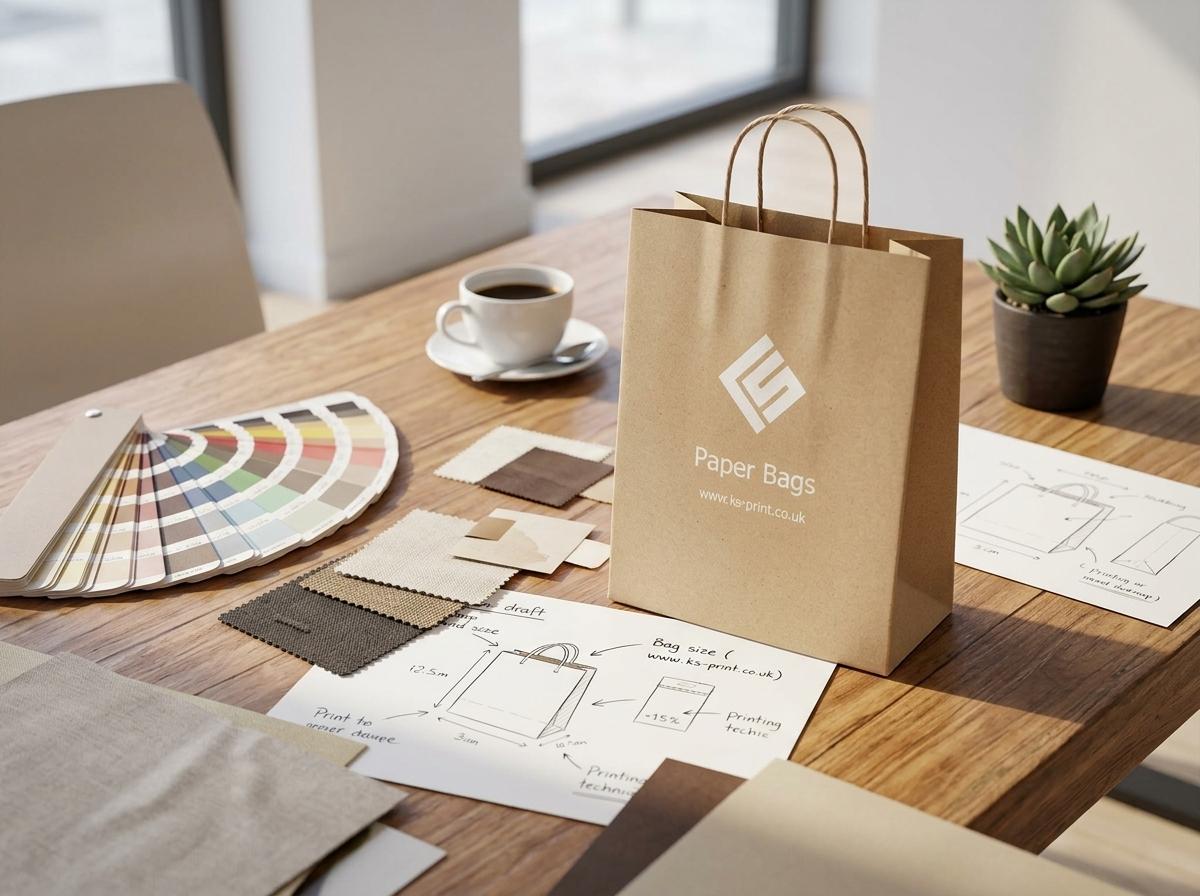
After nailing the basics, it’s time to focus on customisation options that can make your packaging stand out.
CMYK Printing and Pantone Colour Matching
Using CMYK printing ensures your boxes boast vibrant colours. It’s the standard in the UK for high-quality prints. For exact colour reproduction, Pantone colour matching can be a lifesaver. It allows for consistent branding across all materials. This attention to detail helps maintain a professional appearance, which can resonate strongly with your audience.
Exploring Spot UV and Foil Blocking
Spot UV and foil blocking add a touch of luxury to your packaging. Spot UV highlights specific areas with a glossy finish, creating visual interest. Meanwhile, foil blocking provides a metallic sheen, adding an elegant touch. These techniques are perfect for special editions or gift boxes, elevating your product’s presentation and perceived value.
Benefits of Soft-Touch Lamination
A soft-touch lamination finish adds a velvety feel, enhancing the tactile experience of your packaging. This type of lamination not only protects the print but also gives a premium feel. Consumers are more likely to remember a product that feels as good as it looks, making it an excellent choice for high-end products.
Practical Considerations and Compliance

Ensuring compliance and practicality can save time and money in the long run.
Managing MOQ and Lead Times
Understanding MOQ (Minimum Order Quantity) and lead times helps manage costs and expectations. Ordering more units can reduce the price per unit, but be mindful of storage needs. Discussing lead times with your supplier ensures timely delivery, helping you plan launches effectively. Efficient planning helps you avoid unnecessary rush fees or production delays.
Barcode and Labelling Compliance in the UK
In the UK, barcode and labelling compliance is vital. Proper GS1 barcode placement ensures seamless scanning and inventory management. Double-check guidelines to avoid fines and delays. Compliance with UK standards not only keeps your business running smoothly but also builds trust with consumers and retailers.
Fulfilment-Ready Packaging and Royal Mail Guidelines
Packaging that’s fulfilment-ready simplifies the shipping process. Adhering to Royal Mail parcel size guidelines ensures cost-effective delivery. Including necessary packaging inserts and void fill protects products during transit. By preparing for these logistical aspects, you reduce the risk of damage and returns, keeping customers satisfied.
Frequently Asked Questions
What is the importance of a packaging dieline?
A packaging dieline acts as a template for cutting and folding, crucial for ensuring that your design is executed correctly. Misalignment due to an inaccurate dieline can lead to production issues.
Why should I use artwork bleed and safe area?
Artwork bleed prevents white edges on your printed materials, while the safe area ensures that essential elements like text and logos are not trimmed off, maintaining design integrity.
How can I make my packaging eco-friendly?
Opt for FSC-certified materials and choose recyclable or biodegradable options to support sustainability. This choice appeals to environmentally conscious consumers and enhances brand image.
What are the benefits of using CMYK printing and Pantone matching?
CMYK printing delivers vibrant colours, while Pantone matching ensures consistent colour reproduction across different materials, maintaining a cohesive brand appearance.
How does barcode compliance affect my business?
Proper barcode placement ensures seamless scanning and inventory management, which is essential for compliance and maintaining efficient operations within the UK market.

