

A practical guide to print finishes that elevate the look and feel of your branded materials
Most printed materials blend into the background, forgotten before they’re fully seen. Your branded materials deserve more—they should catch the eye and invite a closer look. With the right print finishes UK businesses choose, you can add texture, shine, and durability that make your brand impossible to ignore. In this guide, you’ll learn which finishes suit your needs and how KS Print Ltd delivers tailored results with express turnaround.
Popular Print Finishes Explained
Choosing the right print finish can transform your materials from ordinary to extraordinary. The following sections will explore different finishes and how they can enhance your brand.
Spot UV Varnish and Its Uses
Spot UV varnish is a fantastic way to highlight specific areas of your design. By applying a glossy coating on selected parts, you create contrast and draw attention. This technique is often used on logos or images to make them pop against a matte background.
Not only does spot UV add visual interest, but it also provides a tactile experience. When recipients run their fingers over the textured surface, it leaves a memorable impression. This finish is perfect when you want your materials to stand out at trade shows or networking events.
For print finishes that demand attention, spot UV is the choice. Its ability to enhance specific areas makes it a popular option for businesses looking to leave a lasting impact.
The Appeal of Soft-Touch Lamination
If you want to evoke a sense of elegance, consider soft-touch lamination. This finish gives your printed materials a velvety surface that feels luxurious to the touch. It’s often used for premium brochures, business cards, and packaging.
The soft texture not only makes your materials feel high-end but also protects them from fingerprints and scuffs. This durability ensures your brand looks polished even after repeated handling. With soft-touch lamination, you communicate quality and sophistication.
By choosing this finish, you enhance the perception of your brand. It’s a simple yet effective way to make your materials feel extraordinary and premium.
Gloss vs. Matt Lamination
Gloss and matt lamination offer different benefits depending on your goals. Gloss lamination provides a shiny, reflective finish that enhances colours and makes them vibrant. It’s ideal for promotional materials where you want to capture attention quickly.
In contrast, matt lamination offers a subdued, non-reflective finish. It’s perfect for creating a sophisticated look and is often used on professional documents and high-end brochures. Matt finishes reduce glare and give a refined, understated feel.
Both finishes protect your materials from wear and tear, but the choice between gloss and matt depends on your desired aesthetic. Whether you want bold and bright or subtle and sleek, lamination can achieve the look you’re after.
Enhancing Brand Perception
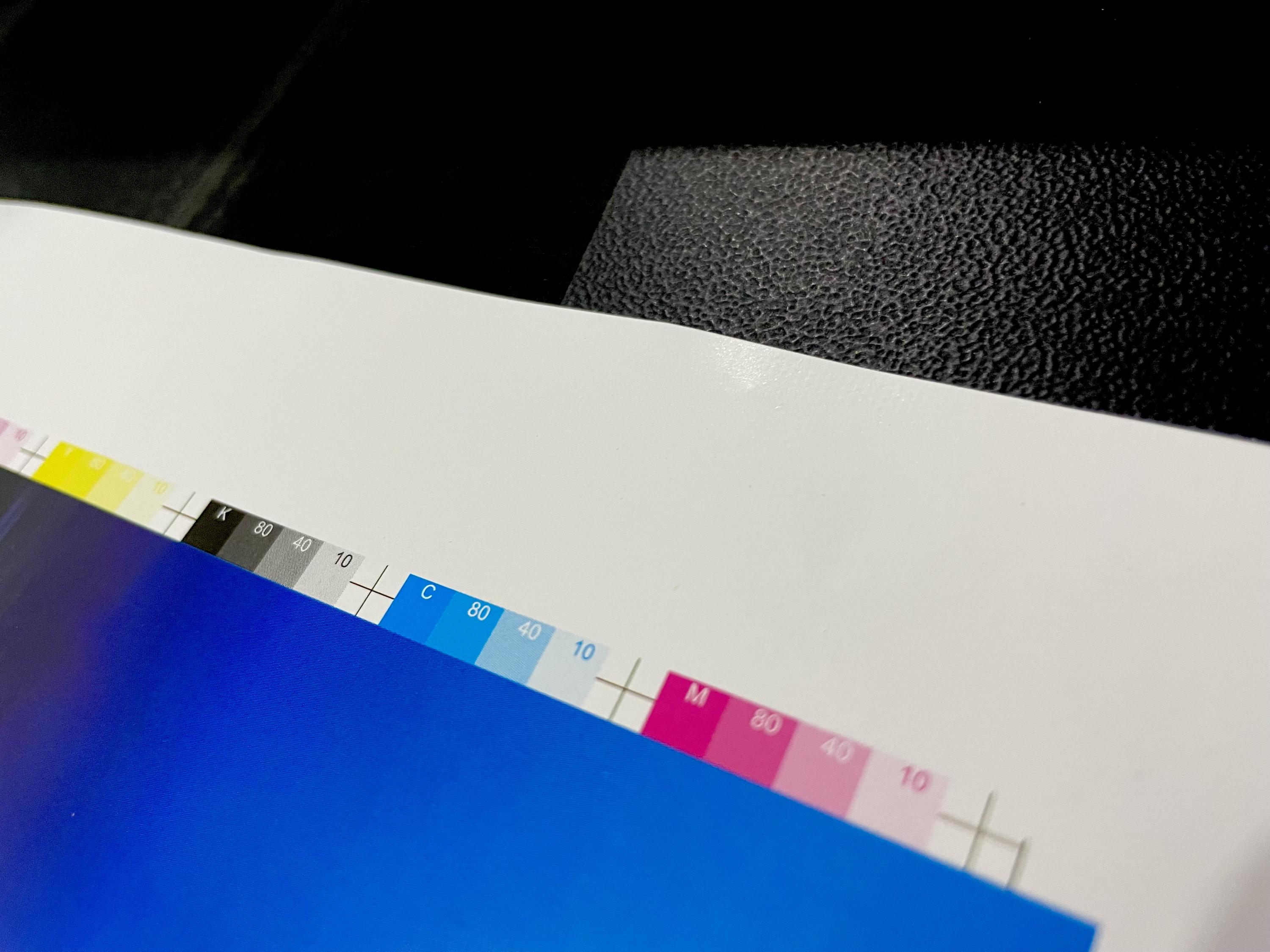
Your choice of print finish not only affects the look of your materials but also the perception of your brand. The right finish can communicate quality and attention to detail.
The Impact of Embossing and Debossing
Embossing and debossing are techniques that add dimension to your printed materials. Embossing raises elements on the paper, while debossing creates an indented effect. Both methods add texture and visual interest.
These techniques are effective for emphasising logos or text, making your brand name stand out. They create a tactile experience that engages the senses and leaves a lasting impression. Embossed or debossed elements can elevate your stationery, invitations, and packaging.
These finishes not only enhance aesthetics but also communicate professionalism and quality. They show that your brand pays attention to detail and values craftsmanship.
Foil Blocking: Adding a Touch of Luxury
Foil blocking is a technique that involves applying metallic foil to paper. It creates a shiny, reflective surface that catches the light and exudes luxury. This finish is often used for high-end invitations, business cards, and packaging.
Foil blocking adds a premium feel to your materials. It’s available in various colours, including gold, silver, and copper, allowing you to match your brand’s aesthetic. The metallic sheen captures attention and suggests exclusivity.
By incorporating foil blocking, you elevate your brand’s image. It’s a simple yet powerful way to make your materials feel more valuable and prestigious.
Benefits of Die-Cutting and Creasing
Die-cutting and creasing are techniques that allow you to create custom shapes and folds in your printed materials. Die-cutting involves cutting paper into unique shapes, while creasing creates folds without cracking.
These techniques add creativity and functionality to your materials. They’re perfect for custom brochures, packaging, and invitations. Die-cutting can make your materials interactive, encouraging recipients to engage and explore.
Custom shapes and folds set your materials apart from standard designs. They demonstrate innovation and attention to detail, enhancing your brand’s appeal and memorability.
Choosing the Right Finish for Your Needs
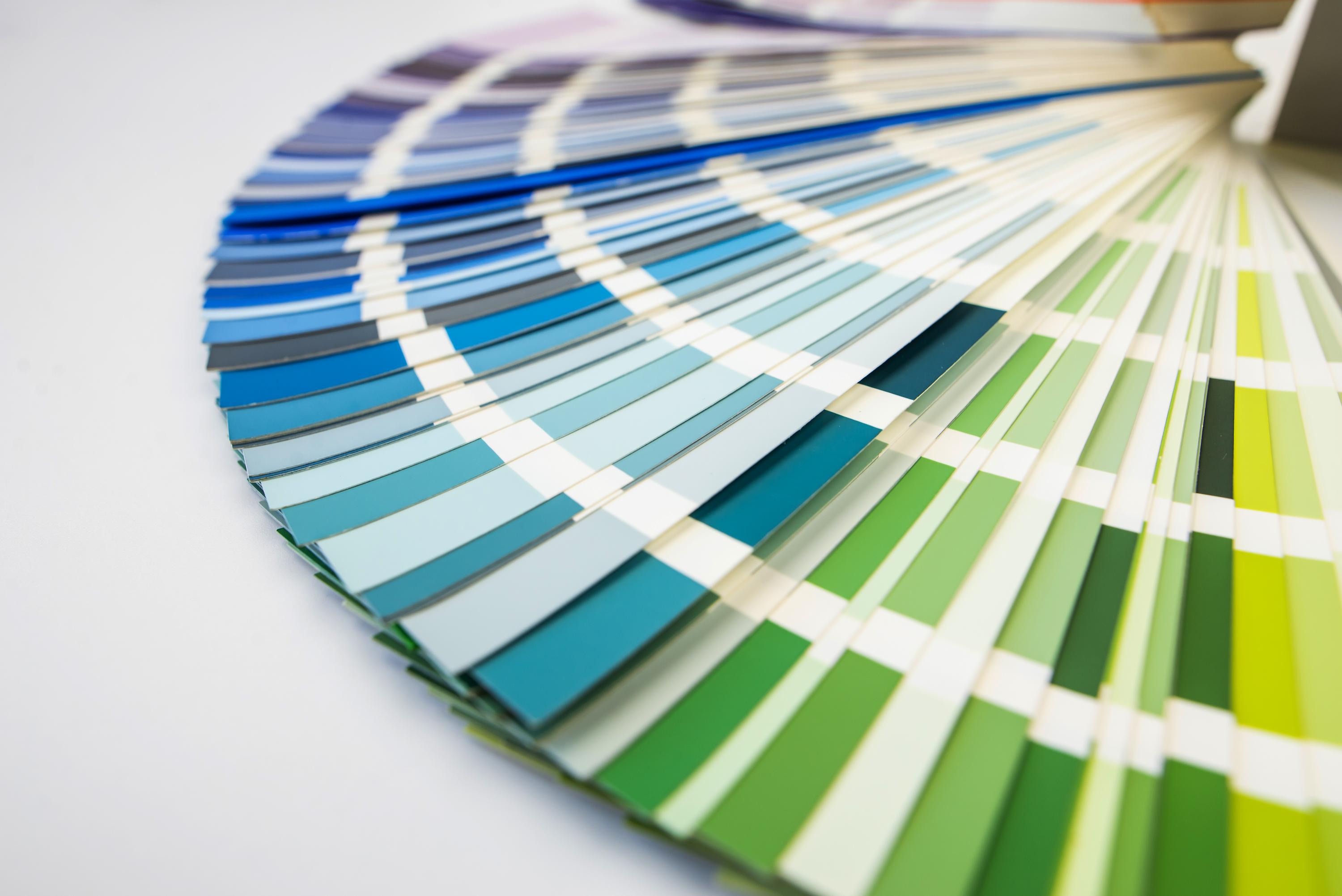
When selecting a print finish, consider your specific needs and goals. The right choice can elevate your materials and strengthen your brand.
Custom Brochures and Leaflets Tips
For custom brochures and leaflets, choosing the right finish is crucial. Consider your audience and the message you want to convey. A gloss finish can make images vibrant, while a matt finish offers a sophisticated look.
Consider using spot UV to highlight key information or soft-touch lamination for an elegant feel. The choice of finish can enhance your message’s impact and make your materials memorable.
The right finish can turn a simple brochure into a powerful marketing tool. It ensures your message stands out and resonates with your audience.
Premium Business Cards for UK Professionals
Premium business cards are essential for making a strong first impression. Consider finishes like soft-touch lamination or foil blocking for a luxurious feel. These finishes communicate quality and attention to detail.
Embossing or debossing can add texture and interest to your design. These techniques create a tactile experience that leaves a lasting impression. Choose a finish that reflects your brand’s personality and values.
Your business card is often the first interaction with your brand. Make it count by investing in a finish that represents your professionalism and style.
Boosting Durability with Protective Coatings
To increase the longevity of your materials, consider protective coatings. These finishes, such as aqueous coating and UV varnish, add a layer of protection against wear and tear.
Protective coatings are ideal for materials that will be handled frequently. They ensure your prints remain vibrant and intact over time. By choosing a coating, you enhance durability and maintain a polished appearance.
The right protective finish can extend the life of your materials, saving you time and money in the long run.
Frequently Asked Questions
What is spot UV varnish used for?
Spot UV varnish is used to highlight specific areas of a design, such as logos or text, by adding a glossy coating. This technique creates contrast and draws attention to important elements.
How does soft-touch lamination feel?
Soft-touch lamination gives materials a velvety, luxurious feel. It offers a premium texture that enhances the tactile experience and protects against fingerprints and scuffs.
What is the difference between embossing and debossing?
Embossing raises elements on the paper, creating a three-dimensional effect, while debossing indents them. Both techniques add texture and interest to printed materials.
Why choose foil blocking for my materials?
Foil blocking adds a metallic, reflective surface, creating a luxurious appearance. It’s ideal for high-end invitations, business cards, and packaging, enhancing your brand’s image.
How do protective coatings improve durability?
Protective coatings like aqueous coating and UV varnish add a protective layer to printed materials. They guard against wear and tear, ensuring your prints remain vibrant over time.
By understanding these finishes, you can make informed choices that elevate your printed materials and enhance your brand’s impact.

