

A practical guide to print finishes that elevate your branded materials
Print finishes do more than just protect your materials—they add impact that your brand deserves. Choosing the right finish can boost durability, sharpen colours, and make your designs stand out from competitors. This guide walks you through popular options like matt lamination, gloss lamination, foil blocking, and embossing, helping you decide what suits your project best. Talk to our print specialists about the right finish for your project. Request a tailored quote or finish swatch, upload your artwork, and choose express delivery for a rapid turnaround. For more insights, visit our practical guide.
Popular Print Finishes Explained
Welcome to the world of print finishes, where small details make a significant difference. With the right finish, your materials not only look good but also convey quality and professionalism.
Understanding Matt and Gloss Laminations
If you’ve ever wondered about the difference between matt and gloss laminations, it’s quite straightforward. Matt lamination provides a smooth, non-reflective finish that offers a subtle, sophisticated look. This type of lamination is perfect for creating a classic feel on business cards or brochures. It reduces glare and is less prone to showing fingerprints, making your materials look clean and professional.
On the other hand, gloss lamination adds a shiny finish that makes colours pop. It’s ideal for promotional materials that need to capture attention quickly. Gloss is especially effective in vibrant designs where you want to highlight images or graphics. It’s a fantastic way to ensure your printed materials stand out in a competitive market.
The Allure of Soft-touch Laminate
Soft-touch laminate brings a new dimension of luxury to your printed materials. This finish provides a velvety feel, perfect for products that aim to impress at first touch. Imagine handing over a business card that feels as good as it looks.
The tactile sensation of soft-touch laminate makes it memorable and engaging, which is why it’s becoming a popular choice for premium products. It adds a layer of elegance, making your brand appear more refined and thoughtful. When you choose this finish, you’re choosing to elevate your brand’s perception.
Benefits of Anti-scratch Lamination
Durability is key, especially for materials that will see a lot of handling. Anti-scratch lamination is designed to protect your prints from everyday wear and tear. It maintains the integrity of your materials, ensuring they look new for longer.
This finish is particularly valuable for items like menus or event passes that will be frequently used. By resisting scratches, your materials retain their quality and appearance, providing a positive reflection on your brand’s attention to detail.
Special Finishes for Unique Impact
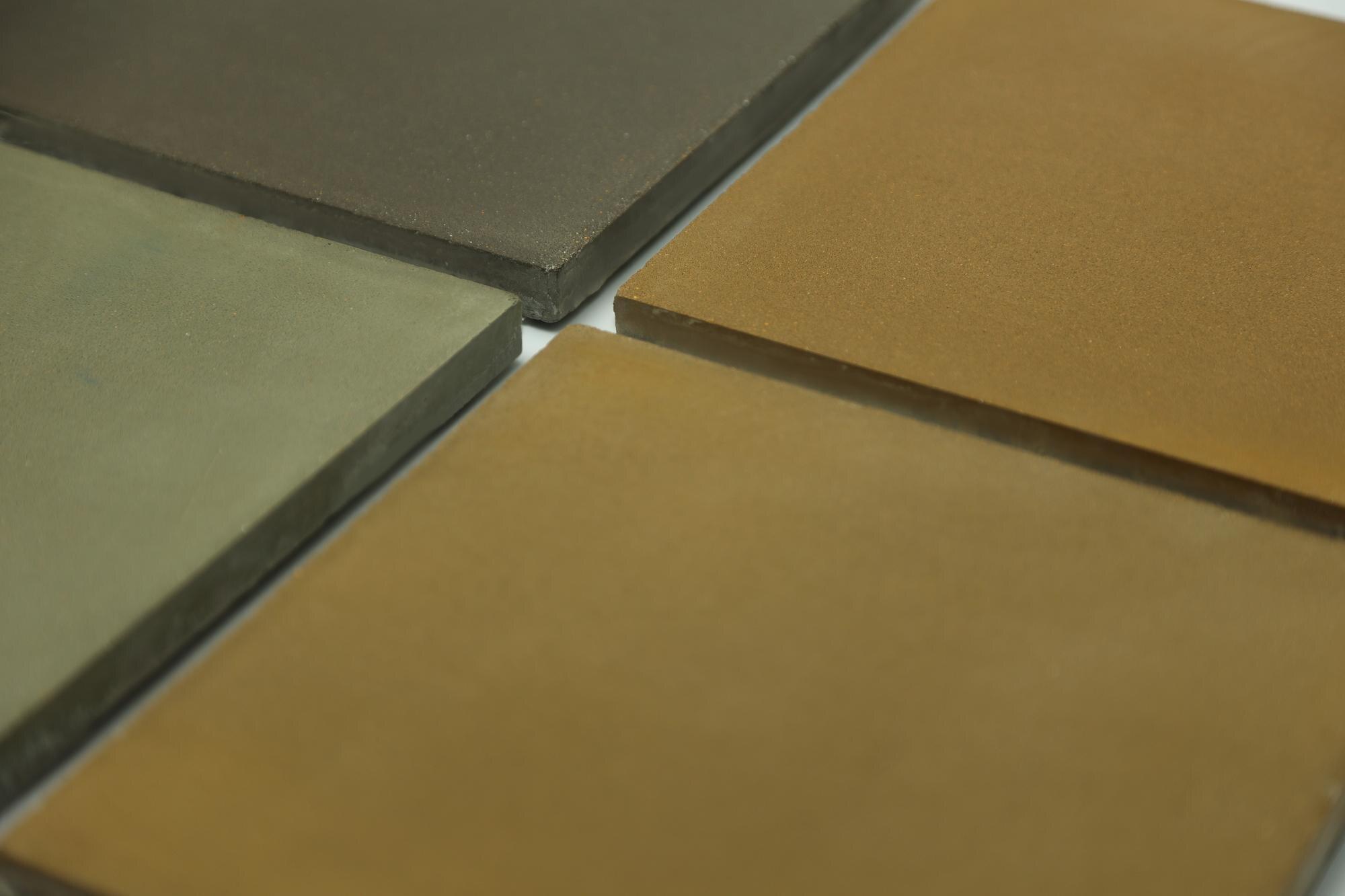
Once you’ve mastered the basics, it’s time to explore special finishes that add a unique twist to your projects. These finishes offer creative ways to enhance your printed materials.
Spot UV and Raised UV Techniques
Spot UV varnish allows you to highlight specific areas of your print with a glossy finish, making them stand out against a matte background. It’s a subtle yet effective way to draw attention to logos or important details.
Raised UV takes it a step further by adding a tactile element. This technique creates a raised effect that you can feel, adding an extra layer of interaction with your materials. It’s a fantastic way to make your brand more memorable.
Foil Blocking and Digital Foiling Effects
Foil blocking adds a metallic shine to your design, often used to convey luxury and quality. It involves pressing a metallic foil onto your print, creating a striking effect that catches the eye.
Digital foiling offers similar effects but with more flexibility and precision. This method allows for more intricate designs and is suitable for smaller runs. Both techniques are excellent for high-end products like invitations or luxury packaging.
Embossing and Debossing for Texture
Embossing creates a raised design on your print, adding depth and dimension. It’s a simple way to add a tactile experience to your materials.
Debossing is the opposite, where the design is pressed into the material, creating an indented effect. Both techniques are perfect for adding texture and sophistication to your branding, making your materials feel more exclusive.
Customisation and Practical Applications
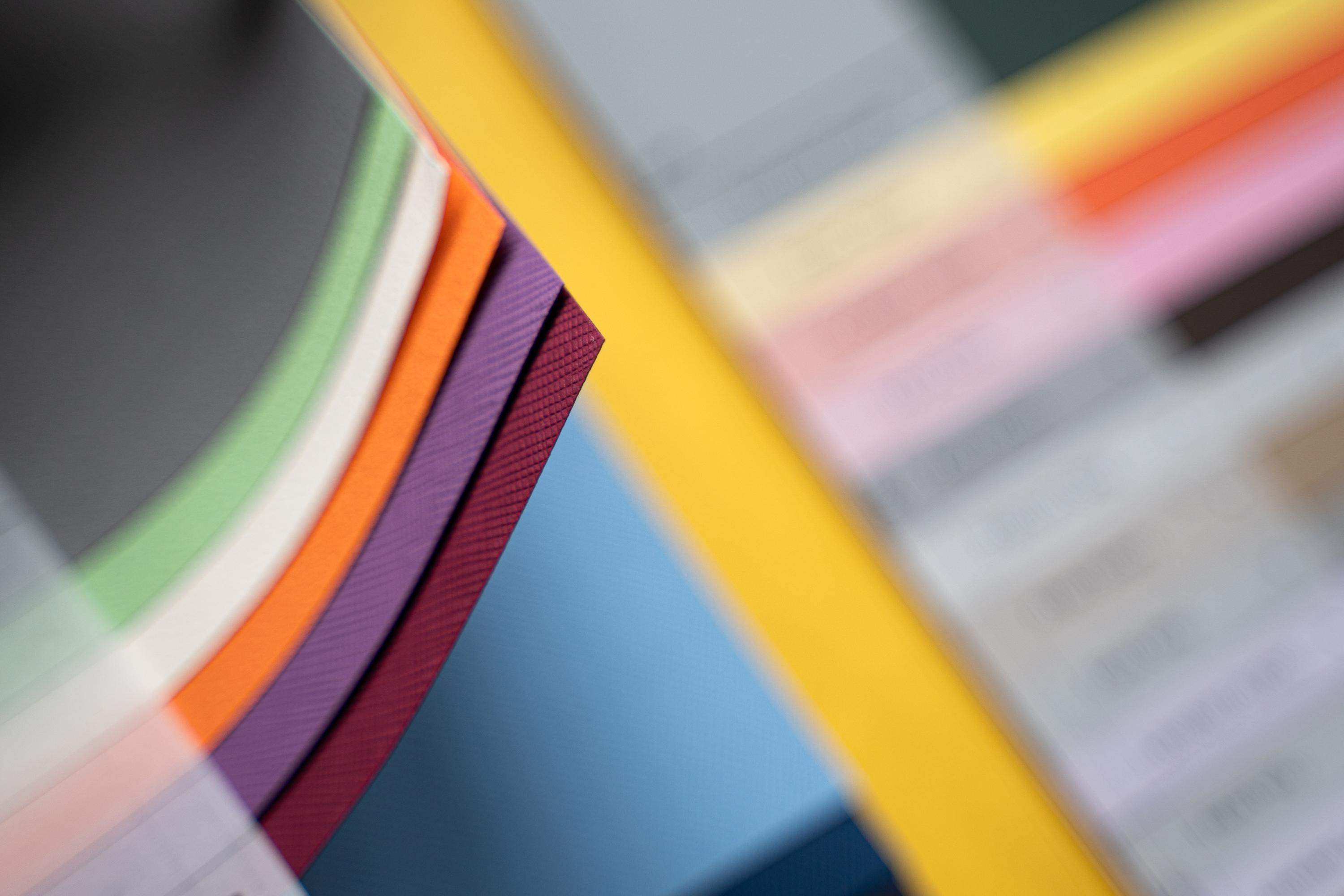
Discover how to tailor your materials for specific needs and ensure they serve their purpose effectively.
Creating Die-cut Packaging and Promotional Materials
Die-cutting allows you to create unique shapes and designs that stand out. It’s perfect for custom packaging, where you can design packaging that fits your product perfectly.
This technique is also great for promotional materials like flyers or business cards. By adding a unique shape, you make your materials more memorable and engaging.
Choosing Textured Paper Stocks for Branded Stationery
The choice of textured paper stocks can significantly impact the feel and perception of your brand. Textured papers add a tactile element that enhances the overall experience of your stationery.
They are ideal for luxury brands looking to convey elegance and sophistication. Choosing the right texture can make your materials feel more premium, aligning with your brand’s values.
Express Printing Options and the Lowest Price Guarantee
With express printing options, you can meet tight deadlines without compromising quality. Whether it’s last-minute promotional materials or urgent business cards, express printing ensures you have what you need when you need it.
Coupled with a lowest price guarantee, you can be confident you’re getting the best value for your investment. This combination of speed and cost-effectiveness makes it easier to achieve your marketing goals.
Frequently Asked Questions
What is the difference between matt and gloss lamination?
Matt lamination offers a non-reflective, smooth finish, providing a sophisticated look. Gloss lamination gives a shiny finish, enhancing colours and making them pop.
How does soft-touch laminate enhance printed materials?
Soft-touch laminate provides a velvety, tactile feel, adding a luxurious touch to your materials. It enhances the perception of quality, making your brand appear more refined.
Why choose anti-scratch lamination for some projects?
Anti-scratch lamination is ideal for materials that require durability. It protects against wear and tear, ensuring your items look new and maintain their quality over time.
What are spot UV and raised UV techniques used for?
Spot UV highlights specific areas with a glossy finish, while raised UV adds a tactile element. Both techniques enhance visual and tactile interest, making your materials stand out.
How do foil blocking and digital foiling differ?
Foil blocking uses metallic foil for a shiny effect, often on luxury items. Digital foiling offers more precision and flexibility, allowing for intricate designs and smaller print runs.

