

Choosing the Best Print Finishes to Make Your Promotional Materials Stand Out
Choosing the Best Print Finishes to Make Your Promotional Materials Stand Out
Most promotional materials blend into the background because their finishes don’t catch the eye. When your print finishes match your purpose and audience, your brand stands out with clarity and style. Let’s explore how to choose the right options—like gloss lamination, foil blocking, or embossing—to make your materials impossible to ignore. For more information, check out this guide on advanced print finishes.
Print Finishing Options

Choosing the right print finish can transform your materials from ordinary to extraordinary. By understanding different options, you can align your print choices with your brand’s message.
Understanding Gloss and Matt Lamination
Gloss and matt lamination offer distinct benefits for your materials. Gloss lamination creates a shiny finish, enhancing colours and making images pop. It’s perfect for eye-catching brochures or posters. On the other hand, matt lamination provides a subtle, refined look, reducing glare and adding a touch of elegance. This is ideal for luxury brands or formal documents.
Consider your audience and purpose when selecting between these laminations. If you want vibrant and bold, choose gloss. For a sophisticated look, matt is your go-to. Both options increase durability, protecting your prints from wear and tear.
Embracing Soft-Touch and Anti-Scuff Lamination
Soft-touch lamination adds a velvet-like texture, inviting recipients to feel your materials. This tactile experience can create a lasting impression. It’s a great choice for business cards or invites where you want to convey luxury.
Anti-scuff lamination ensures your prints stay pristine, even with frequent handling. Ideal for menus or product packaging, it keeps scratches at bay. Opt for this finish to maintain a flawless appearance and protect your brand image.
The Art of Spot UV and Raised Spot UV
Spot UV highlights specific areas, adding contrast and depth. Use it to accentuate logos or key messages on your materials. This technique is perfect for creating a striking first impression. Raised spot UV takes it further, adding a tactile dimension that invites interaction.
Consider these options for business cards or high-impact brochures. They offer a unique way to make your brand memorable. These finishes also pair well with other techniques like foil blocking, creating a multi-sensory experience.
Foil Blocking and Embossing
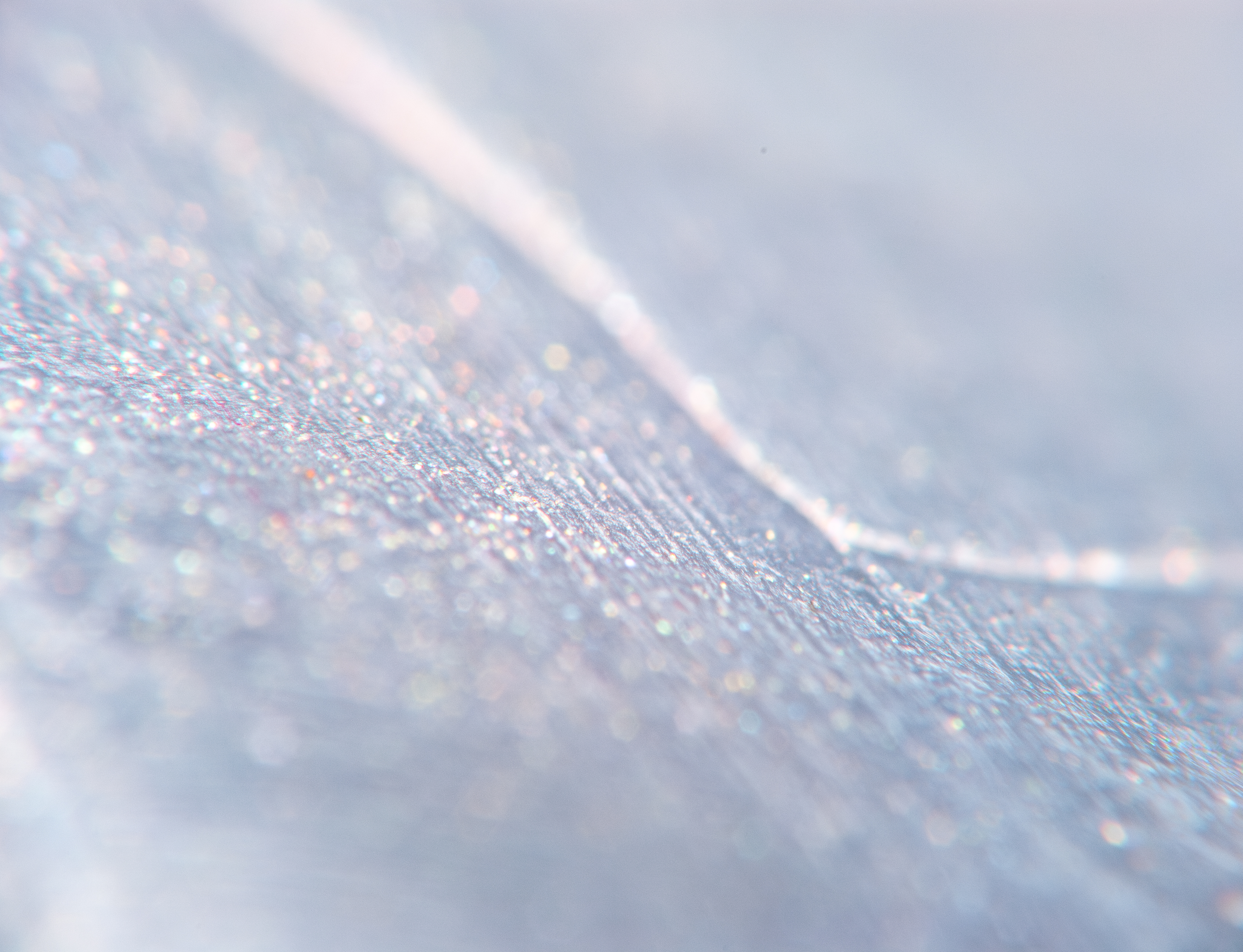
Foil blocking and embossing add a touch of grandeur to your print materials. These techniques can elevate your brand’s perception and ensure a memorable impact.
Choosing Between Gold, Silver, and Copper Foils
Foil blocking involves applying metallic foils to your prints, adding shimmer and elegance. Gold foil exudes luxury, making it perfect for invitations or premium products. Silver foil offers a sleek, modern look, ideal for tech or automotive industries. Copper foil provides a warm, unique touch, suitable for artisanal or eco-friendly brands.
Choose the foil that best matches your brand’s personality. Each option can significantly enhance the perceived value of your materials.
The Impact of Embossing and Debossing Techniques
Embossing raises parts of your print, while debossing presses them in, creating texture and depth. These techniques are excellent for adding sophistication to business cards or stationery.
Embossed logos or titles can highlight your brand’s identity, while debossing adds subtlety and intrigue. Pair these techniques with foil or UV finishes for a truly standout effect. They not only enhance aesthetics but also add a tactile element, engaging multiple senses.
Paper Stock and Durability

Selecting the right paper stock is crucial for the longevity and feel of your materials. It influences both the durability and the impression your prints make.
Selecting the Right GSM Paper Weight
GSM, or grams per square metre, measures paper thickness. Higher GSM means sturdier paper. For business cards, use 300-400 GSM for a professional feel. Flyers might use 150-250 GSM, balancing cost with quality.
Choose the right GSM based on your material’s purpose and expected handling. Heavier stocks convey quality and durability, ensuring your prints withstand the test of time.
Exploring Silk, Uncoated, and Recycled Paper Options
Silk paper offers a smooth finish, blending the best of coated and uncoated stocks. It’s perfect for vibrant prints with a touch of sophistication. Uncoated paper provides a natural look and feel, ideal for eco-friendly brands or writing surfaces. Recycled paper supports sustainability, appealing to environmentally conscious consumers.
Each paper type conveys different messages. Silk says sleek, uncoated says authentic, and recycled says responsible. Consider your brand’s values when choosing your paper stock.
In summary, selecting the right print finishes and paper stock can significantly enhance your promotional materials. By matching these elements to your brand’s purpose and audience, you ensure your prints stand out and leave a lasting impression.

