
From First Sketch to Signed-For: Inside KS Print Ltd’s Print Production Process
From First Sketch to Signed-For: Inside KS Print Ltd’s Print Production Process
Most print projects stumble before the first sheet hits the press. Your brief might be clear, but without the right steps, artwork setup, and proofing, delays and extra costs quickly pile up. At KS Print Ltd, we break down the print production process UK businesses trust—from initial concept to express delivery—so you know exactly what to expect and how your custom printing solutions come to life. Learn more about the process here.
From Brief to Artwork
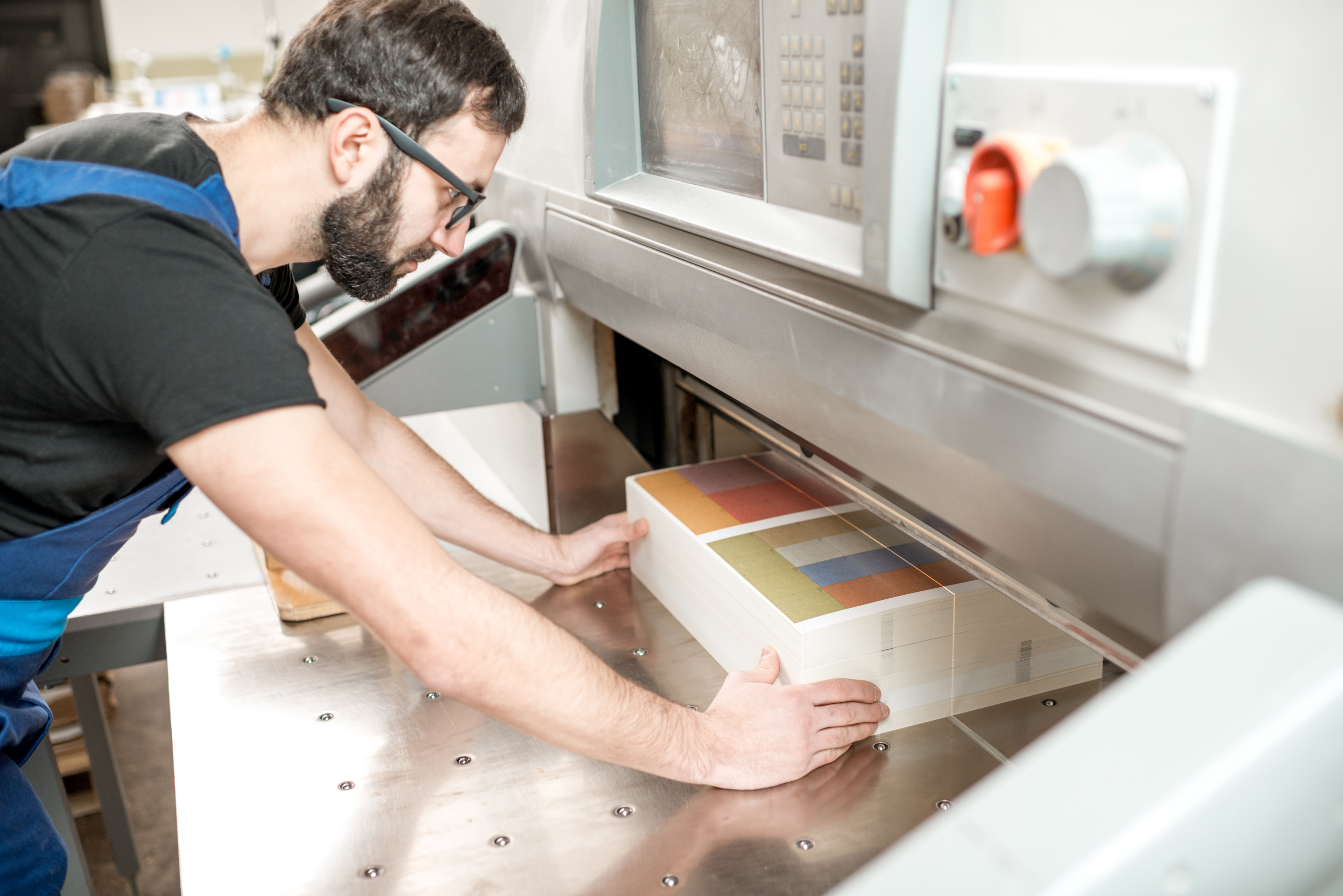
Starting strong is key. A well-crafted brief sets the stage for a seamless journey into print production. It ensures everyone is on the same page, saving time and avoiding costly mistakes.
Crafting the Perfect Brief
A perfect brief clarifies your goals. To begin, outline your project’s objectives clearly. Are you promoting an event or enhancing brand visibility? Specify your target audience. Knowing who your message is for guides the design process. It’s essential to include your brand’s color palette and any specific imagery or logos. Providing these details helps maintain brand consistency.
Next, set clear deadlines. A timeline ensures the project stays on track. Don’t forget to mention any budget constraints. Being upfront about finances helps tailor the production process to your needs. Finally, communicate any preferences or dislikes regarding design styles. This guidance prevents revisions and aligns the artwork with your vision from the start.
Artwork Setup Guidelines
Setting up your artwork correctly can make or break the final product. Start by ensuring your files are in the right format. Most printers prefer PDF or TIFF files. These formats preserve quality and reduce errors. Your artwork should be in CMYK color mode, not RGB. This is crucial for achieving accurate colors in print.
Resolution matters too. A minimum of 300 dpi ensures sharp images. Lower resolutions can lead to blurry prints. Consider bleed and margins. Include a 3mm bleed around your artwork. This prevents white edges after trimming. Keep important elements away from the edges to avoid accidental cuts.
Pre-Press and Proofing
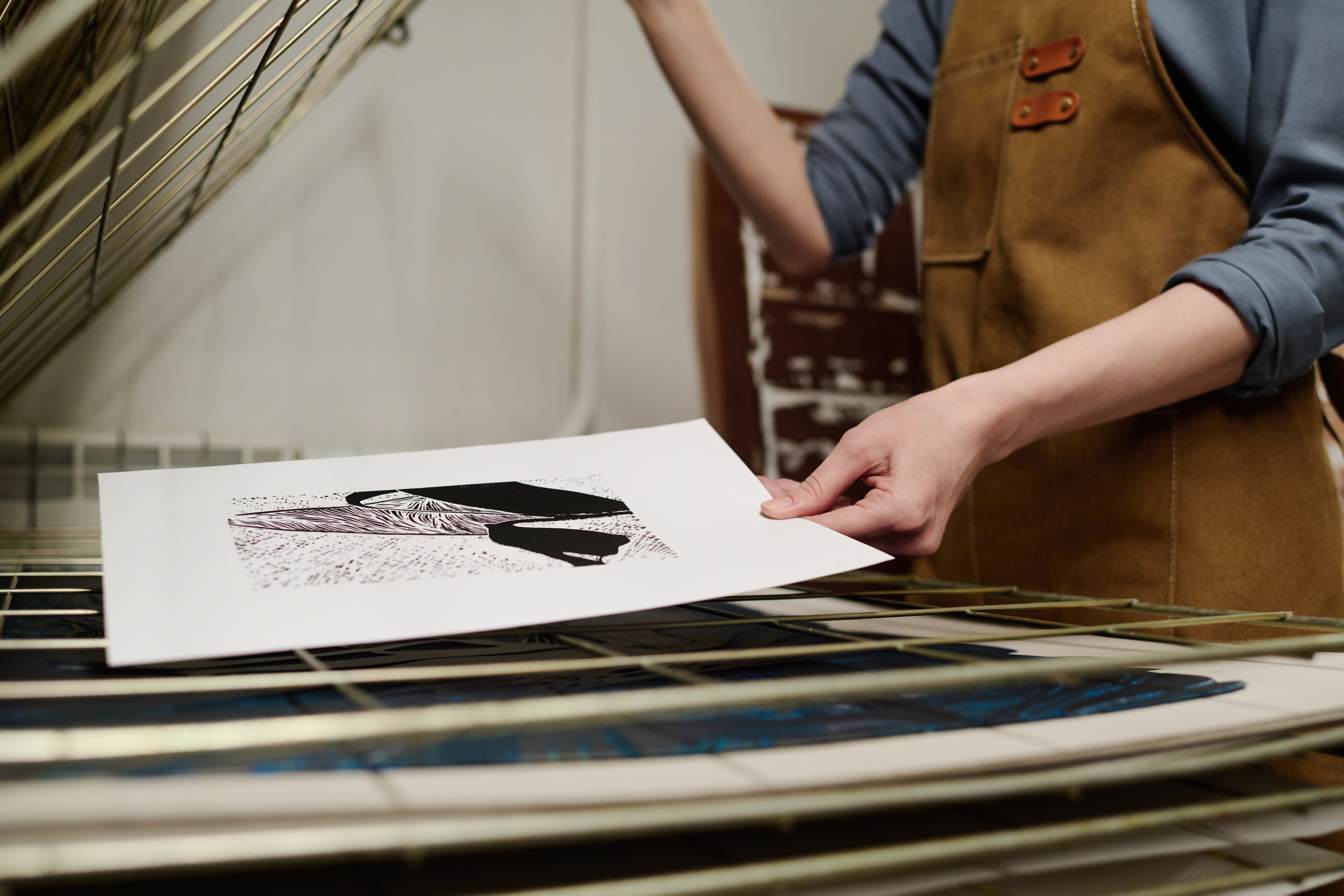
Before hitting print, there’s a vital step: pre-press and proofing. This phase ensures your artwork is print-ready and all details are spot-on.
CMYK Colour Management
Managing colours is crucial for a successful print. The CMYK colour model is standard in printing. It stands for Cyan, Magenta, Yellow, and Key (Black). Each colour is mixed from these four inks. To ensure accuracy, convert your files to CMYK. This prevents unexpected colour shifts.
Calibrating monitors is another step. It ensures what you see on screen matches the print. Regular calibration avoids surprises. Additionally, using a colour chart helps. Print a small test strip to check colours. Adjust if needed before the final print run.
Ensuring High-Resolution Printing
Resolution is key to quality. High-resolution images mean crisp, clear prints. Aim for 300 dpi or higher. This is especially important for large-format pieces. Low resolution leads to pixelation, ruining the professional look. Be mindful of image compression. Avoid using images downloaded from the internet as these are often low resolution.
Optimise file sizes without sacrificing quality. Compress images slightly, but maintain clarity. Use vector files when possible. They scale without losing quality, making them ideal for logos and text. Check out insights on print resolution here.
Printing and Finishing
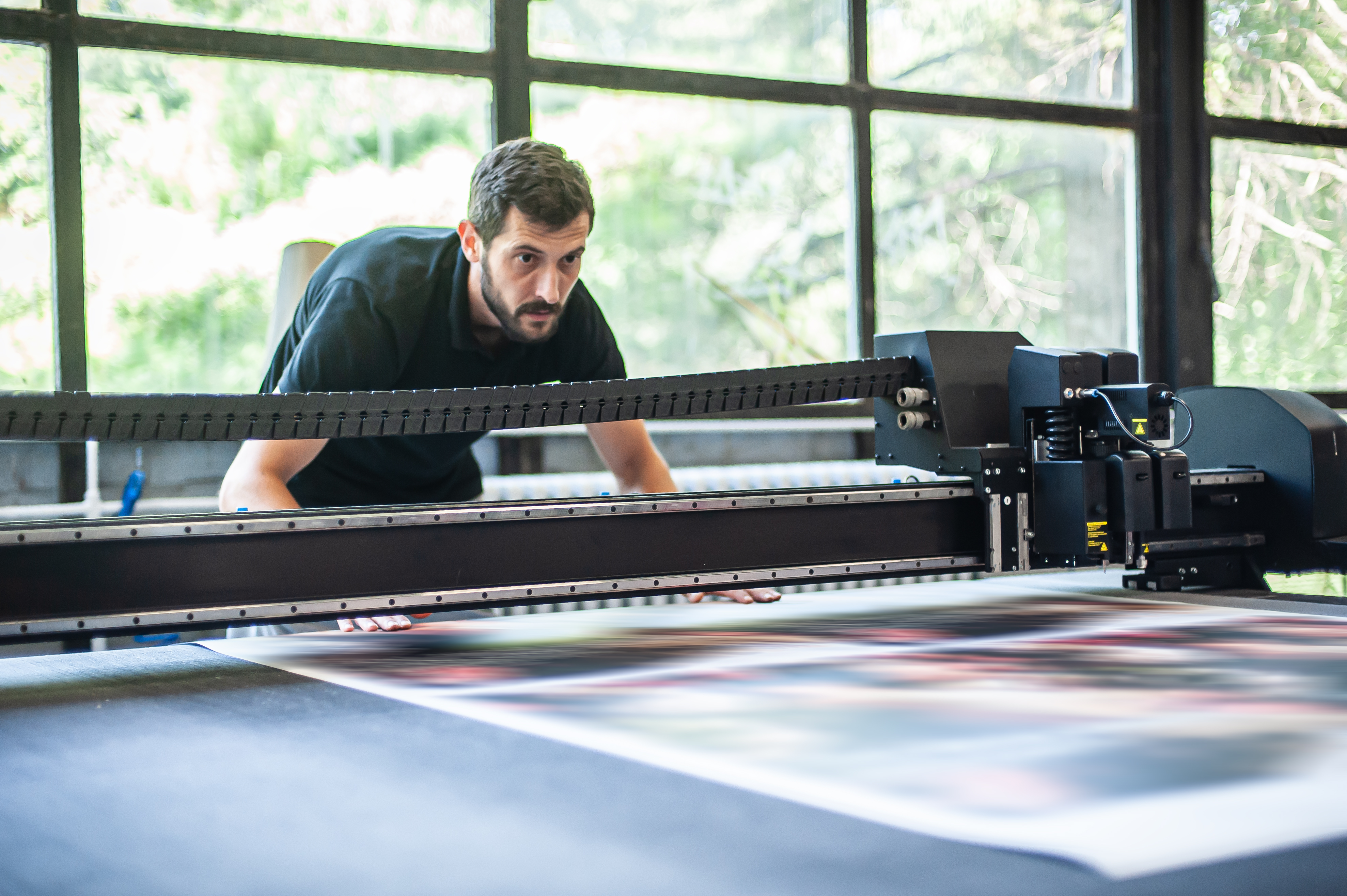
With artwork ready, it’s time to print. Understanding the nuances of different printing methods can make a huge difference in the final output.
Digital vs Litho Printing
Choosing between digital and litho printing depends on your needs. Digital printing is best for smaller runs. It offers quick turnaround times and is cost-effective. Litho printing, on the other hand, excels in large volumes. It provides consistent quality and is ideal for detailed images.
Consider the type of material you need to print on. Digital printing is versatile, handling various substrates. Litho printing offers superior quality on traditional paper stocks. Evaluate your project size and budget. Digital printing is flexible, while litho is more economical for bulk orders.
Large Format Printing UK
Large format printing creates impact. Whether it’s banners, posters, or signage, size grabs attention. This method is perfect for events and promotions. Choose durable materials for outdoor displays. Weather-resistant options ensure longevity.
Resolution is crucial in large formats. Ensure images are high-resolution to avoid pixelation. Use vector files for text and logos. They maintain clarity regardless of size. Test print a section to check quality before proceeding with the full run. Discover more about large format printing here.
Quality Control and Delivery
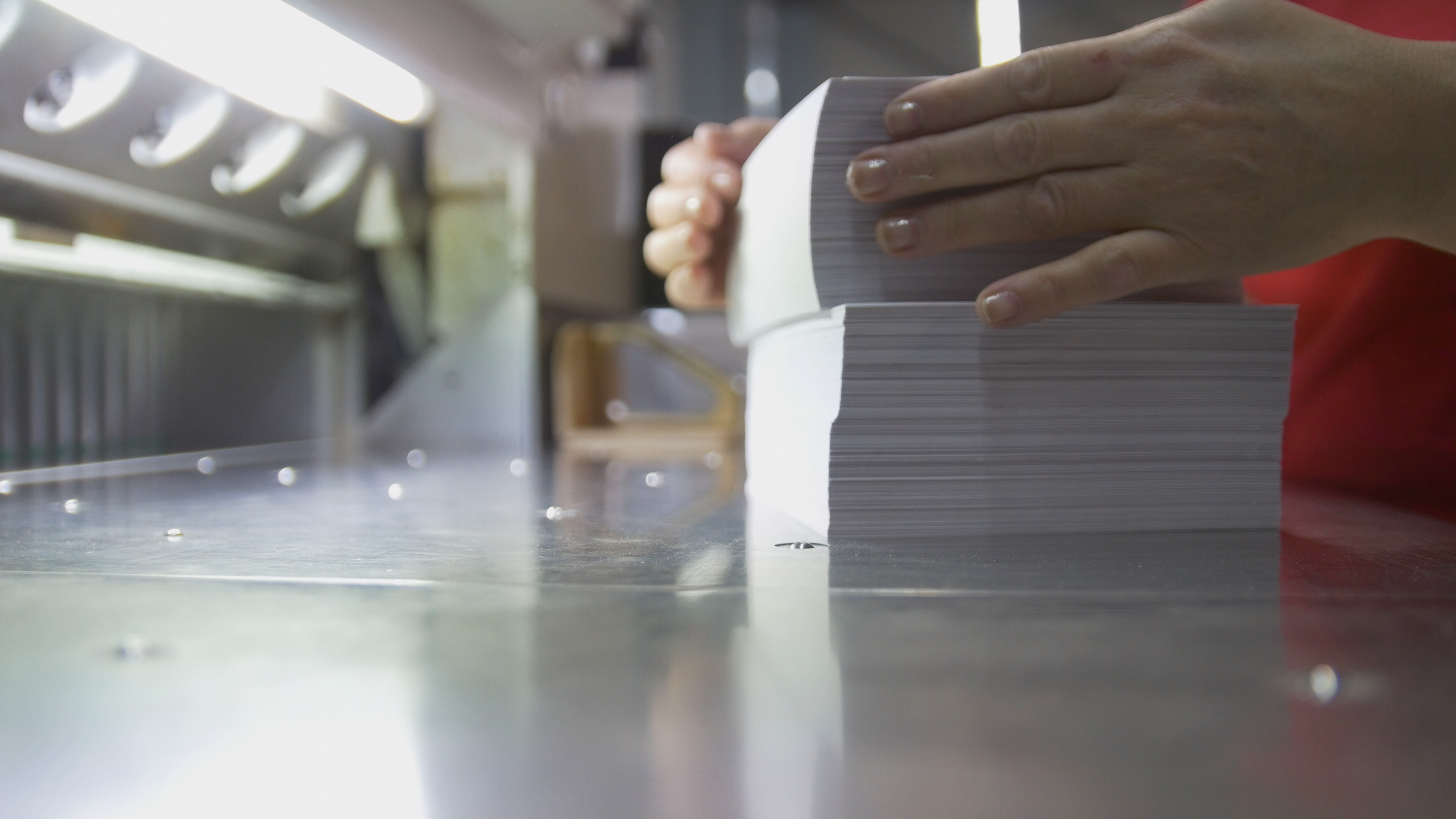
Ensuring quality and timely delivery is the final critical step. This stage ensures your product arrives in perfect condition and meets your expectations.
Rigorous Quality Checks
Quality checks prevent errors. Inspect proofs carefully before printing. Look for typos, alignment issues, and colour discrepancies. A fresh pair of eyes can catch mistakes you might miss. Test prints help verify colours and layout. Adjust as needed to ensure accuracy.
Regular equipment maintenance is essential. It ensures consistent output quality. Use calibrated colour profiles to maintain colour fidelity. Keep communication open with your print provider. They can offer insights and spot potential issues early. Learn more about quality checks in printing here.
Protective Packing and Express Delivery
Once printed, how your product is packed matters. Protective packaging prevents damage during transit. Use sturdy boxes and materials to cushion items. Seal packages securely to avoid tampering.
Timely delivery is crucial. Choose express options for urgent projects. It ensures your materials arrive when needed. Reliable courier services track packages, offering peace of mind. Consider insurance for valuable items. It provides an extra layer of security against loss or damage.
By understanding each stage, from brief to delivery, you can ensure a smooth print production process that yields high-quality results. Ready to start your own project? Contact KS Print Ltd today to bring your vision to life with precision and professionalism.

