

How to choose the right print finish for a premium look
Choosing the right print finish can turn ordinary materials into unforgettable impressions. You’re aiming for premium print finishes that reflect your brand’s quality and style without guesswork. This guide breaks down essential options like soft-touch lamination, spot UV, and foil blocking so you can specify finishes with confidence and get exactly what your project deserves. Ready to make your next print project stand out? Let’s explore the best choices together. For a quick guide, visit this resource.
Understanding Premium Print Finishes
Print finishes can greatly affect the perception of your materials. They add that touch of sophistication that can sway a viewer’s impression positively. But what are your choices?
Key Print Finish Options
You have several options when it comes to print finishes. Soft-touch lamination gives a velvety feel, ideal for luxury business cards. On the other hand, spot UV is perfect for highlighting specific areas like logos. If elegance is your aim, foil blocking adds a metallic sheen that can make invitations pop. Each finish serves a unique purpose, making your prints memorable and aligned with your brand’s message.
Benefits of High-End Finishes
High-end finishes do more than just look good. They enhance durability and provide a tactile experience that sticks in the mind. For instance, using embossing and debossing can add depth, making your stationery feel more substantial. This means your business cards won’t just be visually appealing, they’ll convey quality and reliability too. A premium finish sets your brand apart, offering a tangible proof of your attention to detail.
Choosing the Right Finish for Your Needs
Selecting the right finish depends on your project goals. Are you aiming to impress at a first meeting or deliver a professional touch to your corporate stationery? Consider how each finish can complement your message. For instance, a silk finish might be perfect for a high-end brochure where visuals need to shine. Evaluate the context and audience to make an informed decision.
Exploring Lamination Techniques
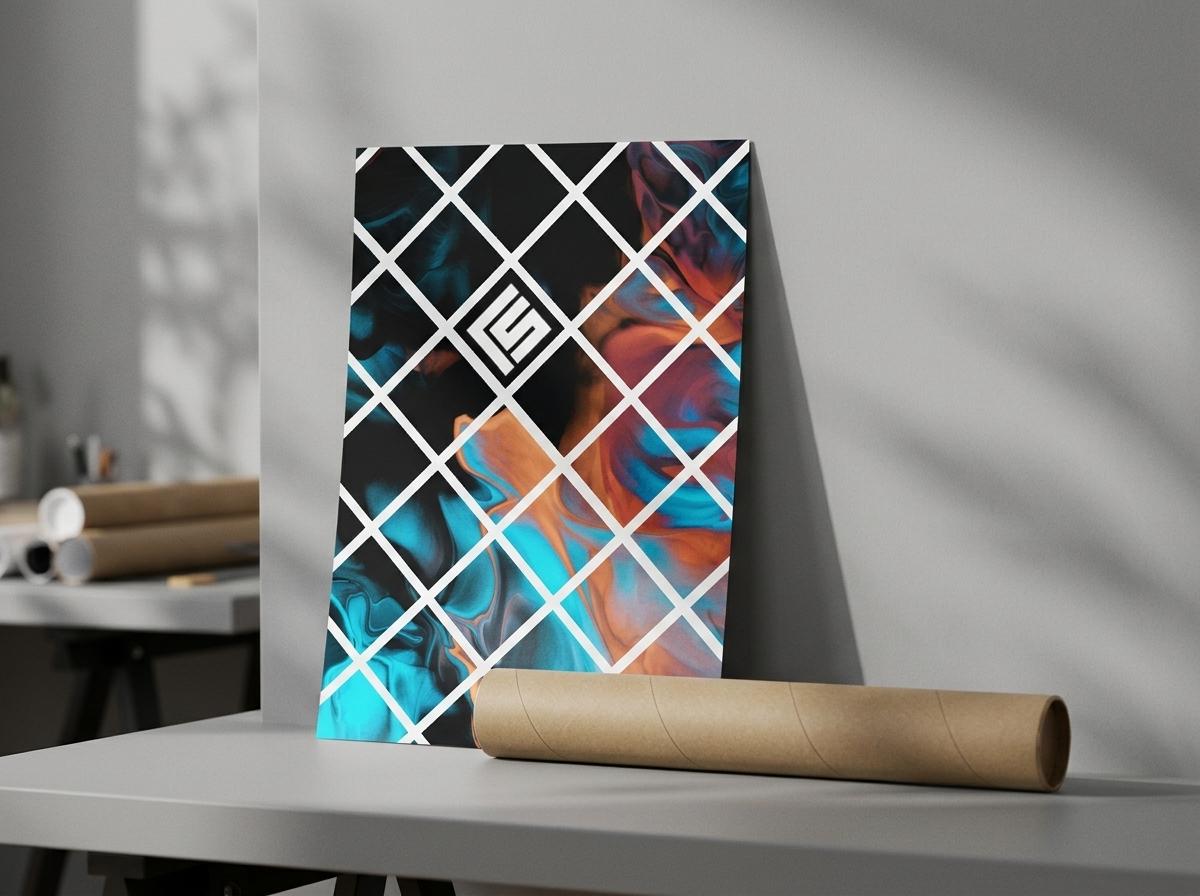
Lamination can protect your printed materials from wear and tear. But there’s more to it than just adding a glossy layer.
Soft-Touch Lamination vs Other Types
Soft-touch lamination offers a unique feel, differentiating your materials from the rest. Unlike standard gloss or matte options, it adds a luxurious texture that invites touch, making it ideal for luxury business cards and high-end brochures. Not only does it improve the tactile experience, but it also reduces glare, ensuring your content remains easy to read. For a discussion on finishes, check out this forum.
Anti-Scuff Laminate for Durability
When longevity is a priority, consider anti-scuff laminate. It offers the perfect balance between protection and aesthetics, ensuring your prints withstand frequent handling without losing their allure. This is especially useful for items like menus and catalogues, where durability is key. An anti-scuff layer keeps your materials looking pristine longer, enhancing their value.
Enhancing Print with Special Effects
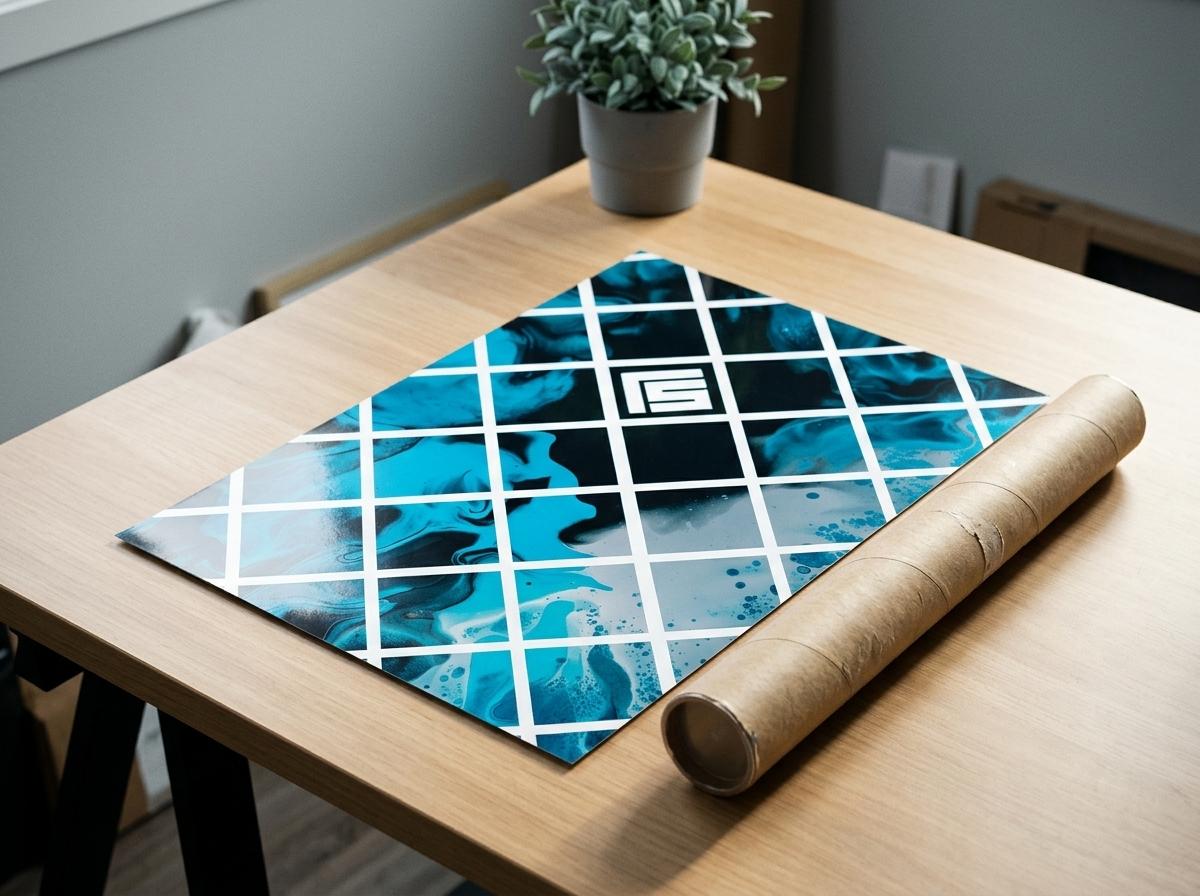
Special effects can elevate your printed materials from ordinary to extraordinary, making a lasting impression.
The Impact of Spot UV and Foil Blocking
Spot UV and foil blocking are techniques that add a premium touch to your prints. Spot UV can highlight specific elements, drawing the eye to important details like logos or key images. Meanwhile, foil blocking introduces a metallic element, adding a luxurious flair that is hard to ignore. Both techniques can transform standard prints into eye-catching pieces that communicate quality. For more on print techniques, visit this article.
Embossing and Debossing for Texture and Depth
Embossing and debossing create a tactile experience that engages the senses. By adding texture, these techniques not only enhance the visual appeal but also convey a sense of depth and quality. This is perfect for business cards and packaging where first impressions matter. The next time you hand over a card, let the texture do the talking.
Frequently Asked Questions
What is soft-touch lamination?
Soft-touch lamination is a finishing technique that provides a velvety texture to printed materials, enhancing the tactile experience and reducing glare.
How does foil blocking work?
Foil blocking applies a thin metallic foil to specific areas of a print, creating a striking contrast and adding a touch of luxury.
Why choose spot UV?
Spot UV is used to highlight specific parts of a print, adding a glossy shine that can make elements like logos or images stand out.
What are the benefits of embossing?
Embossing adds texture and depth to a print, enhancing its tactile and visual appeal, making it ideal for creating a lasting impression.
How durable is anti-scuff laminate?
Anti-scuff laminate protects printed materials from scratches and wear, making them suitable for high-use items like menus and catalogues.

