
Signage that cuts through the noise: what to consider for busy indoor and outdoor spaces
Most signage fails in busy spaces because it’s hard to spot or read quickly. Your indoor signage and outdoor signage need to cut through the clutter with clear size, colour contrast, and lighting that works day and night. This checklist walks you through everything—from anti-glare finishes to weatherproof materials—so your high traffic signage performs exactly as it should. Ready to get signs that truly work in busy spaces? Check out this insightful guide to ensure your signage stands out.
Key Considerations for Signage
Creating effective signage involves understanding the environment it will be in. Here are some important factors to consider to ensure your signs are noticed and understood.
Visibility and Reading Distance
Visibility is key in high-traffic areas. Your signs need to attract attention quickly. Consider where your audience will be when viewing the sign. Are they walking or driving? For example, a sign intended for drivers should be larger and positioned higher for easy visibility. Indoor signage often needs to be closer, with clear text and images that are legible from different angles. Most people assume bigger is better, but strategic placement can be just as effective. Understanding how your audience interacts with the environment helps you position your signs for maximum impact.
Colour Contrast and Lighting
Colour and lighting play crucial roles in making signs readable. Use high contrast colours to ensure your text stands out from the background. For instance, black text on a white background or vice versa is often easiest to read. Good lighting is also essential, especially for outdoor signage. Consider using LED lighting for energy-efficient illumination that works day and night. This is particularly important for outdoor signage that needs to stay visible in various weather conditions. If you’re interested in diving deeper into lighting options, this article provides great insights.
Compliance and Accessibility
Compliance with local regulations and accessibility guidelines is not just a legal requirement but also good business practice. Ensure your signs meet the necessary standards for health and safety signs UK. This includes using appropriate symbols and colours and ensuring readability for all, including those with visual impairments. Accessibility might involve using Braille or audio features, especially in public institutions. Always check the latest regulations to stay compliant.
Material and Design Choices
Choosing the right materials and design features ensures your signage is durable and effective. This section explains the key aspects that contribute to a sign’s longevity.
Durability and Weatherproofing
For outdoor signs, durability is non-negotiable. You need materials that withstand weather conditions like rain, wind, and sunlight. PVC banners UK or mesh banners are excellent options for long-lasting outdoor solutions. They resist UV rays and prevent fading. Weatherproof materials ensure your sign remains legible over time, saving money on replacements. It’s common to overlook durability, but investing in quality materials upfront prevents future headaches.
Typography and Size
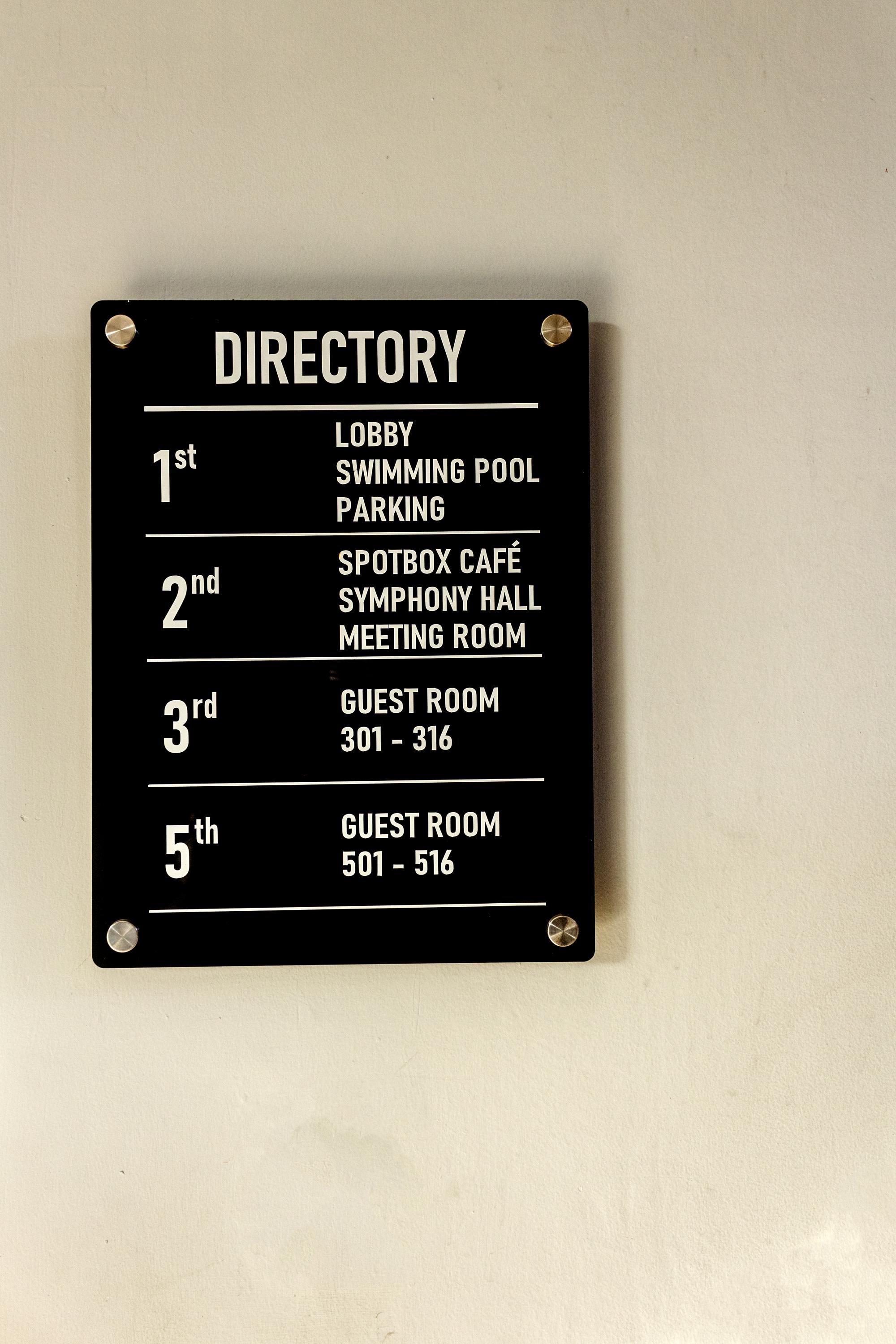
Typography affects how your message is perceived. Choose fonts that are easy to read from a distance. Avoid overly decorative fonts that can be difficult to decipher quickly. Size matters too: larger fonts are easier to read from far away, but make sure your text doesn’t overwhelm smaller details. Custom printed signs UK can adapt to your specific needs, providing flexibility in design options.
Anti-Glare and Slip-Resistant Options
Glare can make signs difficult to read, especially in bright sunlight or under harsh indoor lighting. An anti-glare laminate can enhance visibility by reducing reflections. For floor graphics, slip-resistant materials are a must to ensure safety. These small design choices have a big impact on the overall effectiveness of your signage. If you’re considering these options, this guide provides useful tips.
Practical Aspects of Installation
Installation involves more than just putting up a sign. Consider the logistics to ensure your signs are secure and effective.
Mounting and Fixings
Proper mounting and fixings are crucial for sign stability. Choose the right hardware for your sign and the surface you’re mounting it on. For example, A-frame pavement signs are portable and easy to move, while permanent fixtures require sturdy installations. Secure mounting prevents damage and ensures longevity, even in high-traffic areas.
Portability vs Permanence
Decide whether your sign needs to be permanent or if you might need to move it. Portable signs are ideal for changing promotions, while permanent signs are suitable for consistent messages. Scaffold banners offer flexibility, allowing for easy repositioning and reuse. Portability can be advantageous for businesses that frequently change their layout or promotions.
Permits and Permissions
Before installing any signage, check if you need any permits. Local councils have different requirements, and failing to obtain the necessary permissions can result in fines or the removal of your signage. Ensure your signs comply with local regulations to avoid any legal issues. For a detailed look into evaluating your space for signage, consider this resource.
By considering these elements, your high traffic signage will not only capture attention but also serve its purpose effectively and efficiently. Prioritize quality and attention to detail, and your signs will make a lasting impact.

