

The Ultimate Artwork Prep Checklist for a Faster, Smoother Print Order
Preparing your artwork correctly can save hours of back-and-forth and speed up your print order. Many businesses miss key details like CMYK colour settings or bleed and crop marks, which leads to delays and costly amendments. This artwork setup guide will show you how to create print-ready artwork that ensures sharp results across banners, packaging, stationery, and signage. Plus, KS Print Ltd offers a free pre-press file check to help you get it right the first time. Learn more about preparing your artwork here.
Preparing Print-Ready Artwork
Getting your artwork ready for print is crucial to ensure everything looks as expected. Let’s explore some key elements that can make a big difference in your print results.
Importance of CMYK Colour
Understanding why CMYK colour is important helps you achieve vibrant prints. Unlike RGB, which is for screens, CMYK is for print. It mixes four colours: cyan, magenta, yellow, and black. This ensures your prints have the right hues and depth.
Using CMYK means your banner or flyer will look the same on paper as it does on your computer. Avoid unexpected colour changes by always checking your design’s colour mode before sending it to print. This small step can save you from costly reprints.
RGB to CMYK Conversion Tips
Switching from RGB to CMYK might seem tricky at first. But with a few tips, you can make the transition smooth. First, start your design in CMYK mode. Many design tools offer this feature. If you’re converting an existing design, use software that handles conversion accurately.
Keep an eye on your colours during conversion. Some bright RGB shades may not appear the same in CMYK. Adjusting these colours manually ensures they stay vivid. Keep a sample print handy to compare with your screen and adjust accordingly.
Understanding Bleed and Crop Marks
Bleed and crop marks might sound complicated, but they’re vital for precise cuts. Bleed is extra space around your design, ensuring no white edges appear after trimming. It’s like a safety net for your artwork’s edges.
Crop marks guide where to cut. They ensure each print is uniform. When setting up your file, add at least a 3mm bleed to all sides. It allows for slight cutting inaccuracies and keeps every piece looking professional.
Essential Artwork Setup Guide

Now that we’ve covered the basics, let’s dive into setting up your artwork for success. This guide will help make your designs print-ready and error-free.
Safe Area and Quiet Zone Explained
The safe area and quiet zone protect important elements in your design. The safe area is where you keep crucial text and images. It ensures they won’t be trimmed off. The quiet zone is a margin around your design that doesn’t contain important elements.
By keeping text at least 5mm away from the edge, you avoid accidental cropping. This practice not only preserves your message but also enhances its visual impact. Remember, the quiet zone is your design’s buffer against unexpected cuts.
Achieving 300 DPI Resolution
Resolution matters. High-quality prints need 300 DPI (dots per inch). This resolution makes images sharp, not pixelated. When designing, always set your resolution to 300 DPI.
Low-resolution images can ruin a print. They look blurry and unprofessional. Before sending files to print, check the DPI. Resizing images can affect resolution, so always use high-quality source images. Trust us, your end product will thank you.
Vector vs Raster: What You Need to Know
Choosing between vector and raster impacts your print quality. Vector graphics use mathematical formulas. They scale without losing quality, perfect for logos and illustrations. Raster images use pixels, ideal for photos.
Vectors are versatile. They maintain clarity at any size. Raster images need careful attention to resolution. For sharp prints, use vectors when possible. For photos, ensure they’re 300 DPI. Knowing when to use each type avoids fuzzy results.
Final Checks for Premium Results
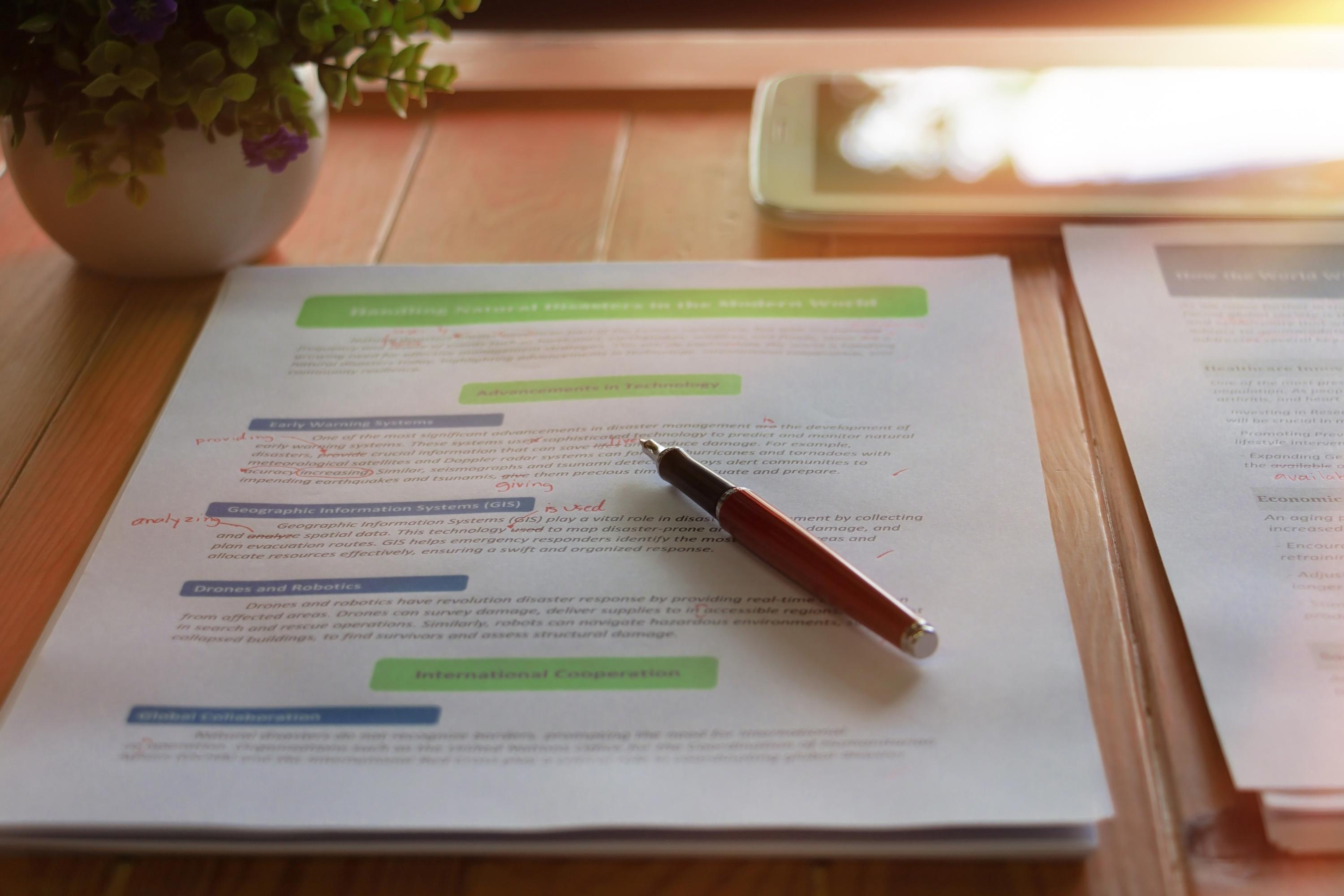
Let’s wrap up with some final checks to ensure your artwork is truly print-ready. These last steps are crucial for a polished, professional finish.
Outline/Embed Fonts Correctly
Fonts can be tricky in print. If a printer doesn’t have your font, it substitutes it, altering your design. Outlining fonts turns them into vector shapes, preventing changes. Alternatively, embedding fonts in your file keeps them intact.
To outline fonts, use your design software’s text-to-vector tool. For embedding, save your file as a PDF, ensuring fonts are included. This way, your text remains as you intended, no matter where it’s printed.
Choosing the Right Colour Profiles
Colour profiles affect how colours appear. Using the correct profile ensures consistency across devices and prints. The PDF/X‑1a standard is a safe choice for print. It locks in your design’s colours and layout.
Consider Pantone spot colours for precise matching. They’re ideal for logos and branding. Selecting the right profile avoids surprises and maintains your brand’s integrity.
Overprint and Knockout Techniques
Overprint and knockout techniques control how colours overlap. Overprinting is useful for darker colours atop lighter ones, enhancing depth. Knockout, on the other hand, removes underlying colours for clarity.
Use overprint when layering text over other colours. It adds richness. For complex designs, knockout prevents muddiness. Understanding these techniques lets you fine-tune your final product’s appearance.
By following this guide, you’ll create print-ready artwork that’s both stunning and accurate. Take advantage of our free pre-press file check for added peace of mind. Your next print project can be smooth and successful, every time.

